
Doll Accessories: A Complete Guide for Children’s Play
Doll accessories can make pretend play more detailed, creative, and enjoyable for children. They allow children to create different stories and everyday situations around their dolls.
Accessories can range from clothing and shoes to furniture, feeding sets, bags, and miniature household items. Different dolls may also require different sizes and styles.
Understanding the available options can help parents choose suitable accessories for a child’s collection.
What Are Doll Accessories?
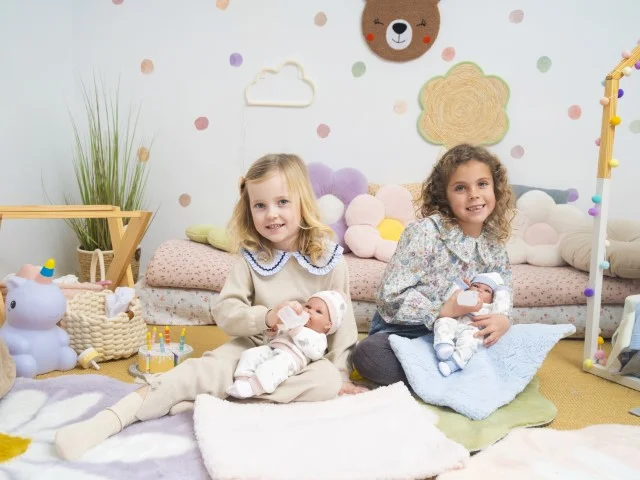
Doll accessories are small items designed to complement dolls and doll playsets.
They can help children create realistic scenes and imaginative stories. Some accessories represent everyday objects, while others are designed around particular themes.
Common examples include:
- Doll clothes
- Shoes and boots
- Handbags
- Hats and hair accessories
- Toy food
- Bottles and feeding sets
- Doll beds
- Miniature chairs
- Prams and pushchairs
- Doll blankets
- Small household items
The right accessories depend on the type and size of the doll.
Popular Types of Doll Accessories
There are many accessory categories available for different types of dolls.
Doll Clothing
Clothing is one of the most common accessories.
Children can change outfits according to different stories or activities. Dresses, trousers, jackets, pyjamas, coats, and costumes are widely used.
Changing clothes can also introduce children to colours, patterns, and different types of clothing.
Doll Shoes
Small shoes can complete a doll’s outfit.
Popular styles include trainers, sandals, boots, slippers, and formal shoes.
Parents should check the size before buying because doll footwear is not universally compatible.
Doll Bags and Handbags
Miniature bags can add another element to pretend play.
Children may use them when creating stories involving shopping, school, holidays, or family outings.
Doll Hair Accessories
Hair accessories can include brushes, clips, bows, ribbons, and small styling items.
These accessories can encourage children to create different hairstyles while developing fine motor skills.
Doll Feeding Accessories
Feeding accessories can make role-play more interactive.
Examples include miniature bottles, plates, cups, spoons, bowls, and toy food.
Children can use these items to recreate familiar routines such as mealtimes.
Parents should check the recommended age because some small accessories may present a choking risk for younger children.
Doll Furniture
Doll furniture helps children create miniature rooms and homes.
Popular pieces include beds, wardrobes, tables, chairs, sofas, and kitchen units.
Furniture can be combined with other accessories to create complete play environments.
Doll Beds
A miniature bed can become the centre of a doll bedroom.
Children can add pillows, blankets, bedding, and small storage items to complete the setting.
Doll Kitchen Accessories
Kitchen accessories can include miniature plates, cups, cooking utensils, food items, and storage containers.
These items can support pretend cooking and household role-play.
Doll Travel Accessories
Travel-themed accessories can introduce new stories into doll play.
Examples include:
- Toy suitcases
- Travel bags
- Sunglasses
- Holiday clothing
- Small travel cases
- Picnic accessories
Children can use these items to create stories about holidays, journeys, or family trips.
Doll Prams and Pushchairs
Doll prams and pushchairs allow children to recreate everyday childcare routines.
They can push their dolls around the home or suitable outdoor areas.
The design and size should match the doll and the child’s age.
Parents should also check that the product is stable and suitable for the intended use.
Choosing the Right Doll Accessories
Several factors should be considered before choosing accessories.
Check the Doll Size
Dolls come in many different sizes.
An accessory designed for a larger doll may not fit a smaller one. Checking measurements can prevent compatibility problems.
Consider the Child’s Age
Age recommendations are important when selecting miniature accessories.
Some products contain small parts that are unsuitable for young children.
Always follow the manufacturer’s age guidance.
Think About the Material
Doll accessories may be made from plastic, fabric, wood, metal, or combinations of materials.
The material can affect durability, weight, cleaning, and appearance.
Consider the Child’s Interests
Children have different preferences.
Some may enjoy fashion and clothing, while others prefer doll furniture, food, travel, or outdoor accessories.
Choosing accessories around existing interests can make play more engaging.
Safety Considerations
Safety is particularly important with miniature toys.
Parents should check accessories for sharp edges, loose components, and small detachable parts.
Broken accessories should be removed from play areas.
Young children should be supervised when playing with products containing small pieces.
Accessories should also be stored properly after use to prevent them being lost or becoming hazards around the home.
How Doll Accessories Support Pretend Play
Pretend play allows children to create their own stories and situations.
Doll accessories provide additional objects that can be incorporated into those stories.
For example, a doll bed can support bedtime role-play. A miniature kitchen can encourage cooking stories, while clothing can introduce different characters and situations.
This type of play can encourage imagination, communication, planning, and creative thinking.
Organising Doll Accessories
Doll accessories can quickly become difficult to manage because many pieces are small.
Simple storage can help.
Small boxes, labelled containers, drawers, or dedicated storage cases can keep accessories together.
Separating clothing, furniture, food, and small items can also make them easier to find.
Children can be encouraged to return accessories to their storage area after playing.
Cleaning Doll Accessories
Cleaning requirements depend on the material.
Plastic accessories can often be wiped with a damp cloth. Fabric items may require different cleaning methods.
Always follow the manufacturer’s care instructions.
Avoid using harsh cleaning products on materials that could be damaged.
Accessories should be completely dry before being stored.
Creating a Complete Doll Play Area
A collection does not need to contain every available accessory.
A small selection can create an effective play environment.
For example, a bedroom could include a bed, blanket, wardrobe, and clothing. A kitchen could include a table, chairs, plates, cups, and toy food.
Children can then use their imagination to expand the story without needing a large number of items.
Final Thoughts
Doll accessories can add variety and creativity to children’s pretend play. They include everything from clothing and shoes to furniture, feeding sets, and travel items.
The most suitable accessories depend on the doll’s size, the child’s age, and their interests.
Parents should check product measurements, age recommendations, materials, and safety information before choosing accessories.
With suitable storage and regular care, doll accessories can remain useful additions to imaginative play for a long time.