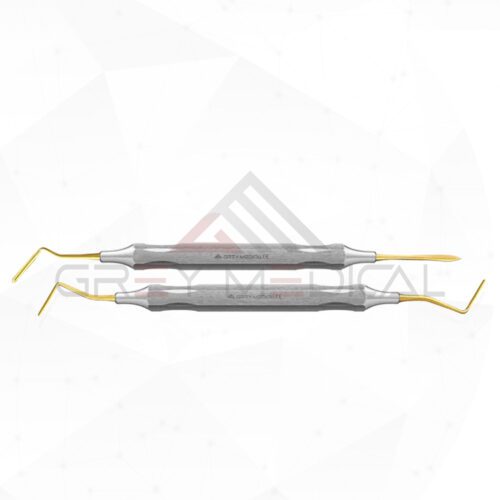
Dental instruments are specialized tools used by dentists and oral surgeons to examine, diagnose, clean, restore, and treat teeth and surrounding tissues. Designed for accuracy, hygiene, and comfortable handling,
Dental instruments support a wide range of routine and surgical dental procedures.
Common Types of Dental Instruments
Dental instruments are available in many designs, with each tool serving a specific clinical purpose. Common categories include examination instruments, extraction instruments, periodontal instruments, restorative tools, and surgical instruments.
Examination Instruments
Dental mirrors, explorers, and tweezers help professionals inspect the mouth, identify dental problems, and handle small materials during procedures. Their precision makes routine examinations more efficient.
Extraction and Surgical Instruments
Forceps and elevators are commonly used for tooth extraction, while surgical instruments support procedures involving soft tissue and bone. Choosing the appropriate instrument can improve control and procedural efficiency.
Periodontal Instruments
Periodontal probes, scalers, and curettes are designed for assessing and treating the tissues surrounding teeth. They are frequently used for plaque and calculus removal and periodontal care.
Why Instrument Quality Matters
High-quality
dental instruments are important for precision, durability, and reliable performance. Instruments manufactured from suitable medical-grade materials can withstand repeated cleaning and sterilization when properly maintained.
How to Choose the Right Dental Instruments
Selecting the right
dental instruments depends on the intended procedure, instrument design, material quality, ergonomics, and sterilization requirements. Dentists and healthcare professionals should consider instruments that provide dependable performance while supporting safe clinical practices.
Proper Maintenance and Sterilization
Correct cleaning, inspection, sterilization, and storage are essential for maintaining instrument quality. Following appropriate manufacturer and clinical protocols can help extend service life and support infection-control practices.
Why Choose Grey Medical?
GreyMedical® is a privately owned medical technology company dedicated to innovation and excellence in the craft of surgical instruments. Its commitment to precision manufacturing and quality supports healthcare professionals seeking dependable instruments for clinical applications.
Conclusion
Reliable
dental surgery instrument play an essential role in modern dental care, from basic examinations to complex surgical procedures. Understanding different instrument categories, selecting suitable designs, and following proper maintenance practices can help dental professionals achieve greater precision, efficiency, and consistency in their work.