
Eyebrow Mole Removal: A Complete Guide to Safe and Effective Treatment
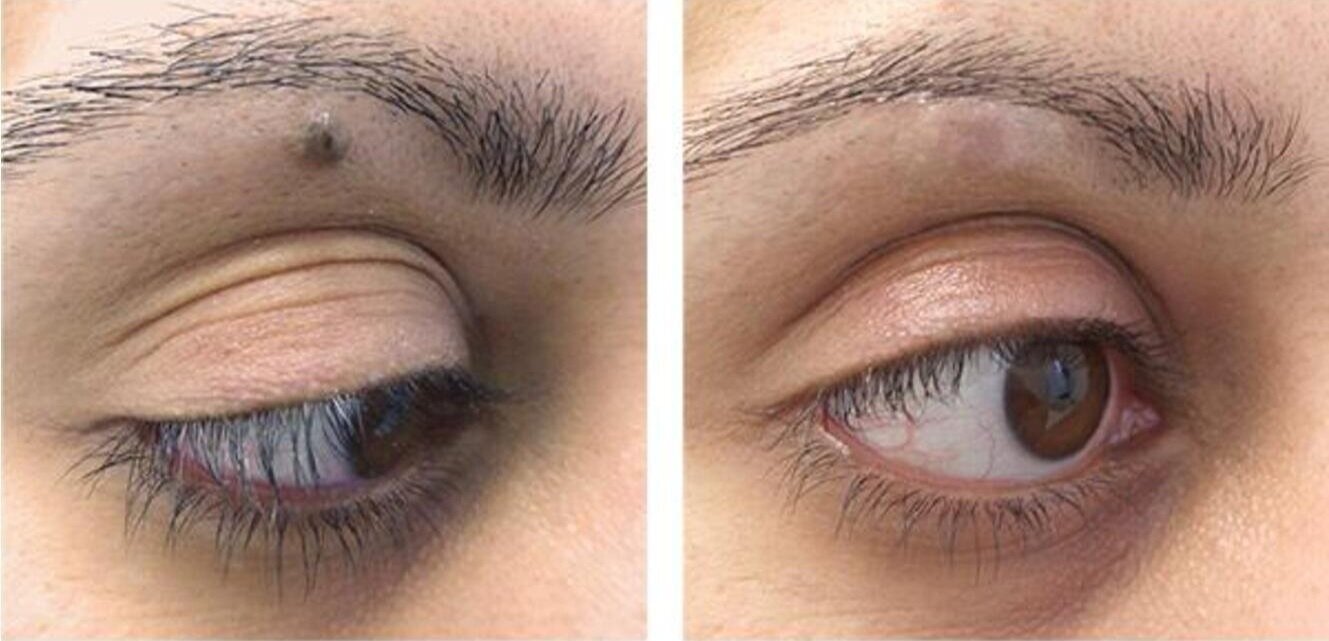
A mole near or within the eyebrow can be a distinctive facial feature, but some people prefer to have it removed for cosmetic reasons. Others may experience irritation when grooming their eyebrows or notice changes in the mole’s appearance. Because the eyebrow is close to the eyes and contains delicate hair follicles, choosing the right removal method is important for both safety and appearance.
When considering eyebrow mole removal, the first step is a professional examination to determine the type of lesion and whether it requires medical evaluation. Depending on its size, depth, location, and appearance, a qualified dermatologist or facial surgeon may recommend surgical excision, shave removal, or another appropriate treatment. If the mole looks suspicious, a biopsy and laboratory examination may be necessary to establish the diagnosis. The American Academy of Dermatology recommends professional evaluation for moles that change, itch, or bleed.
What Is an Eyebrow Mole?
An eyebrow mole is a pigmented or skin-colored growth located within the eyebrow or on the surrounding skin. Most ordinary moles are benign and develop when pigment-producing cells called melanocytes grow in clusters.
Moles can be flat, raised, light brown, dark brown, or close to the surrounding skin tone. Some contain hair, while others have a smooth surface. Their appearance depends on factors such as genetics, the type of mole, and the depth of the pigment-producing cells.
However, not every spot near the eyebrow is a mole. Other skin growths and pigmented lesions can look similar. A medical professional can examine the area and determine whether removal is appropriate.
Why Do People Consider Eyebrow Mole Removal?
People seek treatment for several reasons. A raised mole may interfere with eyebrow grooming, catch on a razor, or become irritated during routine skincare. Others may feel that a prominent mole affects facial symmetry or draws attention away from their eyes.
Some patients also seek removal because a mole has changed in appearance. In these cases, medical evaluation should take priority over cosmetic treatment.
The decision to remove a benign mole is personal. A consultation can help clarify the available options, expected results, potential scarring, and whether the procedure may affect nearby eyebrow hair.
When Should an Eyebrow Mole Be Examined?
Although most moles are harmless, certain changes require medical attention. A dermatologist may recommend further evaluation if a mole develops an irregular shape, uneven borders, multiple colors, or noticeable changes in size or appearance.
The ABCDE warning signs can help identify moles that need professional assessment:
- Asymmetry: One half looks different from the other.
- Border: The edges are irregular or poorly defined.
- Color: The mole has several colors or develops new color changes.
- Diameter: The spot is larger than approximately 6 millimeters, although concerning lesions can be smaller.
- Evolving: The mole changes in size, shape, color, or texture.
A new mole in adulthood, particularly after age 30, should also be evaluated by a dermatologist. Itching, bleeding, crusting, or persistent irritation are additional reasons to seek an examination. These signs do not automatically mean cancer, but they should not be ignored.
What Are the Available Mole Removal Methods?
The appropriate technique depends on whether the mole is raised or flat, how deeply it extends into the skin, and whether tissue needs to be examined under a microscope.
Surgical Excision
Surgical excision involves removing the mole with a small amount of surrounding tissue when medically indicated. The wound is usually closed with sutures.
This approach may be recommended when a mole is deeper or when complete removal and pathological examination are important. Because the eyebrow area is highly visible, the surgeon must consider incision placement, wound closure, and the direction of the surrounding hair follicles.
A scar may remain after excision, and its appearance depends on the size and depth of the lesion, the surgical technique, and individual healing.
Shave Removal
Shave removal involves using a surgical blade to remove a suitable raised lesion at or near the skin’s surface. It may be appropriate for selected benign moles after professional assessment.
This method can be useful when a lesion projects above the surrounding skin. However, it may not remove deeper mole cells, meaning the mole can sometimes grow back. It is also not appropriate for every lesion that requires complete removal for diagnostic purposes.
The American Academy of Dermatology explains that dermatologists may use surgical shave removal or surgical excision, depending on the mole and the clinical situation. Removed tissue may be examined for signs of skin cancer.
Laser Treatment
Laser treatment may be discussed for certain superficial pigmented lesions, but it is not automatically the best option for a true mole. Laser treatment may not completely eliminate deeper mole cells, and it may leave pigment changes or make subsequent assessment more difficult.
When a mole has suspicious features, the priority is appropriate diagnosis and tissue evaluation rather than cosmetic treatment with a laser.
A qualified professional should explain whether laser treatment is suitable for the specific lesion or whether a different method would be safer.
Can Eyebrow Mole Removal Affect Hair Growth?
One of the main concerns for patients is whether removal will leave a gap in the eyebrow. The possibility depends on the mole’s depth, its relationship to hair follicles, and the technique used.
A superficial procedure may have a different effect from excision that extends deeper into the skin. If hair follicles are damaged during removal or healing, some hair loss in the treated area may occur. Scarring can also affect future hair growth.
Before proceeding, ask your provider how the proposed technique may affect eyebrow density and whether the location of the mole increases the risk of a visible hairless patch.
Will Eyebrow Mole Removal Leave a Scar?
Any procedure that removes skin can leave a scar. Although a small facial scar may become less noticeable over time, no treatment can guarantee completely scar-free results.
The final appearance depends on the mole’s size, depth, location, wound closure, healing characteristics, and aftercare. Because eyebrow hair can partially conceal a small scar, placement and technique are particularly important.
Your provider should discuss realistic expectations before treatment and explain how to care for the area during recovery.
What Happens During the Procedure?
The process usually begins with an examination of the mole and a discussion of your medical history and cosmetic goals. If removal is appropriate, the provider explains the recommended technique, potential risks, and whether the tissue should be sent for pathology.
Many small mole removal procedures can be performed in an outpatient setting using local anesthesia. The exact process depends on the method selected.
Because the procedure takes place near the eye, appropriate eye protection and careful technique are essential. Patients should not attempt to cut, burn, freeze, or apply unapproved mole-removal products to the eyebrow at home. Such attempts can cause infection, scarring, and delays in diagnosing a potentially serious condition. (AAD)
Recovery and Aftercare
Recovery varies depending on the removal technique and the size of the treated area. Mild swelling, tenderness, redness, or bruising may occur temporarily.
Your provider will give specific instructions for cleaning the area, applying any recommended ointment, and protecting the wound. If sutures are used, you will be told when they should be removed or whether they dissolve on their own.
Avoid picking at scabs, rubbing the area, or using irritating skincare products until the wound has healed sufficiently. Protecting the healing skin from sunlight can help reduce the risk of persistent discoloration.
Contact your provider if you notice increasing redness, worsening pain, pus, fever, or other signs of possible complications. If the mole grows back or the area develops new changes, arrange another professional examination.
How to Choose the Right Specialist
Selecting an appropriately qualified provider is particularly important for a mole within the eyebrow because the area is close to the eye and contains delicate hair follicles.
A dermatologist can evaluate the lesion and determine whether a biopsy or removal is appropriate. Depending on the case, a qualified facial plastic surgeon or another surgeon experienced in facial lesion removal may also be suitable.
During the consultation, ask about the provider’s experience, the recommended technique, the possibility of scarring, the potential effect on eyebrow hair, and whether the removed tissue will be examined under a microscope.
A good treatment plan should address both medical safety and cosmetic goals without promising perfect results.
Conclusion
Eyebrow mole removal can be an option for people who want to address a benign mole for cosmetic reasons or because it becomes irritated during grooming. The safest approach depends on the lesion’s characteristics, its proximity to the eye, and the possibility of scarring or changes in eyebrow hair growth.
A professional examination helps determine whether surgical excision, shave removal, or another treatment is appropriate. If a mole is new, changing, itchy, or bleeding, seek medical evaluation before pursuing cosmetic removal.
This article is for general educational purposes only and does not replace personalized medical advice. Consult a qualified medical professional for an examination and treatment recommendations tailored to your situation.