
Abdominoplasty Surgery Dubai: How Are Muscle Separation and Abdominal Contours Evaluated?
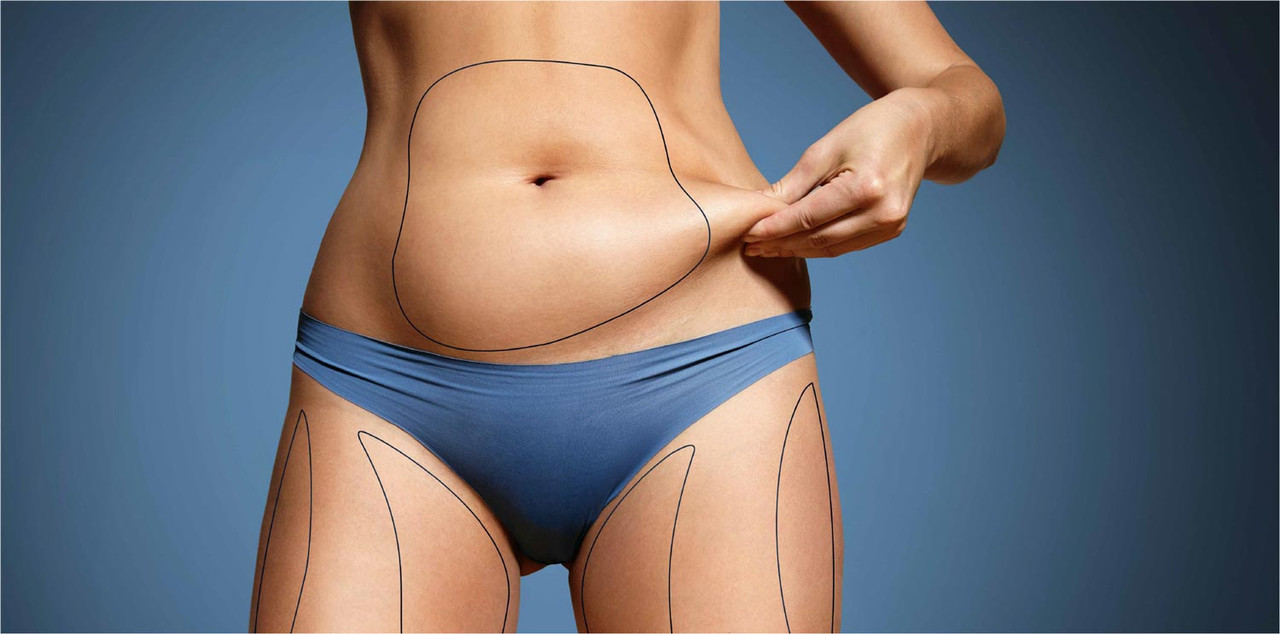
Abdominal appearance can change over time due to pregnancy, significant weight changes, ageing, and natural differences in skin elasticity. Some people notice loose skin around their stomach, while others experience a protruding abdomen even when their weight remains relatively stable. In certain cases, these changes may also involve separation of the abdominal muscles, which can influence the overall shape and firmness of the midsection.
Abdominoplasty Surgery Dubai is an option that may be considered by individuals seeking to address excess abdominal skin and changes in abdominal contours. However, effective treatment planning begins with a detailed consultation rather than focusing on appearance alone. A surgeon evaluates the abdominal wall, muscle position, skin quality, fat distribution, and individual goals to understand which areas may benefit from treatment.
Understanding how muscle separation and abdominal contours are assessed helps patients approach the consultation with realistic expectations. It also explains why two people with similar abdominal concerns may require different surgical approaches.
Understanding Muscle Separation and Its Effect on Abdominal Shape
The abdominal muscles play an important role in supporting the torso and maintaining the structure of the abdominal wall. The rectus abdominis muscles, commonly associated with the appearance of a defined stomach, run vertically along the front of the abdomen. A band of connective tissue called the linea alba lies between these muscles.
When this connective tissue stretches and the muscles move farther apart, a condition known as diastasis recti may develop. This separation can occur after pregnancy, with changes in abdominal pressure, or alongside other changes in the abdominal wall.
Muscle separation may contribute to a rounded or protruding abdominal appearance. Some individuals notice a central bulge when sitting up, lifting their head while lying down, or engaging their abdominal muscles. Others may have separation without obvious symptoms.
During an Abdominoplasty Dubai consultation, the surgeon considers whether the abdominal shape is influenced primarily by loose skin, localised fat, muscle separation, or a combination of these factors. Distinguishing between these concerns is important because each involves different anatomical structures.
How Is Muscle Separation Evaluated During Consultation?
The assessment usually begins with a discussion of the patient’s medical history, previous pregnancies, weight changes, earlier abdominal procedures, and current concerns. These details help the surgeon understand how the abdominal area has changed over time.
A physical examination may then be performed to evaluate the abdominal wall. The surgeon may ask the patient to lie down, raise their head slightly, or engage their abdominal muscles. These movements can make certain changes in the abdominal midline easier to observe.
The examination may focus on several features:
- The presence and approximate extent of separation between the rectus abdominis muscles.
- Any visible bulging along the centre of the abdomen.
- The firmness and support of the abdominal wall.
- Differences in contour between the upper and lower abdomen.
- The relationship between muscle position and the appearance of the waist.
The surgeon may also assess whether the abdominal wall appears symmetrical and whether the protrusion changes with movement or muscle engagement.
In selected cases, additional investigations may be appropriate if the examination suggests a hernia or another abdominal wall concern. Imaging is not necessary for every patient, but it may help clarify findings when clinically indicated.
The purpose of this evaluation is to establish whether muscle separation is a relevant factor in the patient’s abdominal appearance and whether it should influence the treatment plan.
Evaluating Abdominal Contours Beyond Muscle Separation
Muscle separation is only one part of abdominal assessment. A person’s overall contour is influenced by the skin, underlying fat, abdominal wall, waist proportions, and the distribution of tissue across the torso.
A surgeon evaluates the abdomen from different angles to understand how these structures contribute to its shape. The front view may reveal central bulging or unevenness, while the side view can help demonstrate how far the abdomen projects outward. The waist and flanks are also considered because their proportions affect the overall silhouette.
Skin quality is another important factor. Following pregnancy or substantial weight loss, the abdominal skin may lose elasticity and remain loose even after body weight has stabilised. Folds may develop around the lower abdomen, and excess skin may extend beyond the central stomach area.
The surgeon may assess:
- The amount and location of excess skin.
- Skin elasticity and the presence of stretch marks.
- The distribution of fat beneath the skin.
- The shape of the upper and lower abdomen.
- The natural waistline and surrounding body proportions.
- The position of the navel in relation to the abdominal contours.
These observations help determine whether the main concern relates to skin laxity, muscle separation, localised fat, or a combination of anatomical changes.
The Role of Skin Laxity in Abdominoplasty Planning
Loose skin can affect abdominal appearance even when the underlying muscles are relatively well positioned. This is particularly common after pregnancy or significant weight loss, when the skin has stretched beyond its ability to return to its previous shape.
During the consultation, the surgeon examines where excess skin is concentrated and how it behaves when the patient stands upright or changes position. The location of the skin folds and the amount of tissue that may be removed help guide decisions about the surgical approach.
For example, some patients have excess skin mainly below the belly button, while others have more extensive laxity across the upper and lower abdomen. These differences may influence whether a more limited procedure or a full abdominoplasty is considered.
The surgeon also evaluates the navel and the surrounding skin. In a full abdominoplasty, the treatment plan may involve repositioning the navel to accommodate the revised abdominal contour. The specific approach depends on the patient’s anatomy and the extent of the planned correction.
Skin assessment therefore provides important information that cannot be obtained by evaluating muscle separation alone.
How Muscle Separation Influences the Surgical Approach
When muscle separation contributes significantly to abdominal protrusion, the surgeon may consider whether tightening the abdominal wall should form part of the procedure. In a conventional abdominoplasty, this may involve bringing the separated rectus muscles closer together with internal sutures, a technique often referred to as muscle plication.
The purpose of this step is to improve support and help create a flatter abdominal profile where appropriate. However, it is not required in every abdominoplasty, and the decision depends on the examination findings, the patient’s anatomy, and the intended surgical outcome.
If the main concern is excess skin with little or no significant muscle separation, the treatment plan may place greater emphasis on removing and redraping the skin. Where muscle separation and skin laxity occur together, the surgeon may address both as part of a comprehensive procedure.
It is important to understand that muscle tightening is not the same as removing abdominal fat. These approaches address different structures, and the surgeon explains which components are relevant to the patient’s concerns.
The final plan should reflect the actual anatomical findings rather than relying on a standard approach for every patient.
Distinguishing Between Abdominoplasty and Liposuction
Abdominoplasty and liposuction are different procedures, although they may sometimes be considered together.
Liposuction primarily removes localised deposits of fat to refine body contours. It does not remove substantial amounts of loose skin or repair separated abdominal muscles. Therefore, it may be more appropriate for individuals whose main concern is localised fat and whose skin has sufficient elasticity.
Abdominoplasty focuses on removing excess abdominal skin and may include tightening the abdominal wall when indicated. It can be considered when loose skin or muscle separation contributes substantially to the abdominal shape.
During consultation, the surgeon evaluates the thickness and distribution of subcutaneous fat, the condition of the skin, and the underlying muscle structure. This helps clarify which procedure, if any, is suited to the patient’s goals.
Combining procedures is not automatically necessary. The decision should be based on individual anatomy and a clinical assessment of the areas being treated.
How Personal Goals Shape Treatment Planning
A thorough consultation considers not only anatomical findings but also what the patient hopes to achieve. Some people primarily want to reduce hanging skin, while others are concerned about a persistent abdominal bulge or a lack of definition around the waist.
The surgeon discusses these priorities and explains which changes may be achievable through surgery. This conversation helps establish realistic expectations and ensures that treatment planning remains focused on the patient’s individual concerns.
Relevant questions may include whether the patient wants to improve the appearance of the lower abdomen, achieve a smoother profile, address muscle separation, or refine the relationship between the abdomen and waist.
Previous pregnancies, planned future pregnancies, and significant changes in body weight may also be discussed because they can affect long-term abdominal contours. Patients are generally encouraged to consider treatment when their weight is relatively stable and their plans are compatible with the expected outcome.
Photographs and anatomical measurements may be used during the consultation to document the starting appearance and support planning. These records help the surgeon assess proportions and explain the intended changes.
Why Individualised Assessment Matters
No two abdominal areas have exactly the same structure. One person may have considerable skin laxity with minimal muscle separation, while another may have a noticeable central bulge and relatively limited excess skin. A third may have localised fat deposits around the waist without significant skin laxity.
These differences explain why a personalised assessment is central to planning Abdominoplasty Surgery Dubai. A procedure selected without considering the underlying anatomy may not address the patient’s main concern.
An individualised evaluation allows the surgeon to determine which tissues contribute to the current abdominal shape, discuss the available surgical approaches, and explain the expected extent of improvement. It also provides an opportunity to clarify the limitations of treatment and establish a suitable plan.
Patients can prepare for their consultation by identifying the areas they would most like to improve, describing when they first noticed the changes, and sharing relevant medical and surgical history. Bringing a list of questions can also help ensure that important concerns are discussed.
What to Expect From an Abdominoplasty Consultation in Dubai
A consultation generally includes a review of medical history, discussion of aesthetic goals, and examination of the abdomen. The surgeon assesses muscle separation, skin elasticity, fat distribution, abdominal symmetry, and the relationship between the abdomen and waist.
Based on these findings, the surgeon explains whether abdominoplasty may be suitable and whether muscle tightening or another approach may be considered. The discussion may also cover the planned extent of skin removal, the position of the incision, the expected changes to abdominal contours, and the recovery arrangements.
Patients should feel comfortable asking how the proposed procedure addresses their specific concerns. Understanding the reasoning behind the treatment plan makes it easier to compare options and decide whether the proposed approach aligns with personal expectations.
For individuals exploring Abdominoplasty Dubai, the consultation is an opportunity to receive an assessment based on their own anatomy rather than general descriptions of the procedure.
Conclusion
Evaluating muscle separation and abdominal contours is an essential part of planning abdominoplasty. The surgeon examines the abdominal wall, rectus muscle position, skin laxity, fat distribution, waist proportions, and the location of any visible bulging to identify the factors contributing to the abdomen’s shape.
This assessment helps determine whether excess skin removal, abdominal muscle tightening, or a different approach may be appropriate. It also supports a personalised treatment plan that reflects the patient’s anatomy and goals.
For those considering Abdominoplasty Surgery Dubai, a detailed consultation provides the foundation for understanding the available options and establishing realistic expectations. By assessing both the underlying abdominal structure and the external contours, the surgeon can recommend an approach tailored to the individual’s needs.
Frequently Asked Questions
1. What is muscle separation in the abdomen?
Muscle separation, also called diastasis recti, occurs when the connective tissue between the two rectus abdominis muscles stretches and the muscles move farther apart. It can contribute to a central abdominal bulge and may occur after pregnancy or other changes affecting the abdominal wall.
2. How does a surgeon check for muscle separation before abdominoplasty?
The surgeon usually performs a physical examination and may ask the patient to engage the abdominal muscles or raise their head while lying down. These movements can help reveal separation or central bulging. Further investigations may be recommended when clinically necessary.
3. Can abdominoplasty address separated abdominal muscles?
Abdominoplasty may include muscle tightening when separation contributes to the abdominal contour and the procedure is appropriate for the patient. The surgeon determines whether this step is indicated after examining the abdominal wall and discussing the patient’s goals.
4. Is abdominal muscle tightening included in every abdominoplasty?
No. Muscle tightening is not necessary for every patient. The decision depends on the presence and extent of muscle separation, the condition of the abdominal wall, and the overall surgical plan.
5. How are abdominal contours evaluated during consultation?
The surgeon assesses the abdomen from different angles and examines skin laxity, fat distribution, muscle position, symmetry, waist proportions, and the location of any bulging. These findings help identify the main factors affecting the abdominal profile.
6. What is the difference between abdominoplasty and liposuction?
Abdominoplasty primarily addresses excess skin and may include abdominal muscle tightening. Liposuction removes localised fat deposits but does not repair separated muscles or remove substantial amounts of loose skin. The appropriate procedure depends on the patient’s anatomy and treatment goals.
7. Can someone have muscle separation without excess skin?
Yes. Muscle separation can occur without substantial loose skin. In such cases, the surgeon evaluates the abdominal wall and discusses appropriate options rather than assuming that skin removal is necessary.
8. Does weight stability matter before abdominoplasty?
Weight stability is generally an important consideration because significant weight changes can alter abdominal skin and contours. The surgeon reviews the patient’s weight history and future goals when discussing the timing and suitability of surgery.
9. What should I discuss during an abdominoplasty consultation in Dubai?
Patients may discuss concerns about loose skin, abdominal bulging, muscle separation, waist definition, previous pregnancies, weight changes, and desired outcomes. Sharing relevant medical history and asking about the proposed surgical approach can help make the consultation more informative.
10. How is the appropriate abdominoplasty approach selected?
The approach is selected after evaluating the patient’s abdominal muscles, skin quality, fat distribution, and overall body proportions. The surgeon then explains which techniques may address the identified concerns and what outcomes can reasonably be expected.