
Trusted Drywall Contractors in Gainesville FL for Quality Work
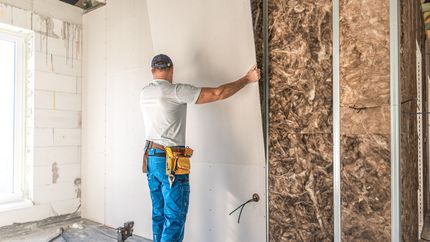
A clean, smooth wall can make a big difference in how a home or business looks and feels. From new construction to updating older rooms, properly installed drywall creates an even surface that is ready for paint, wallpaper, or other finishes. Hiring Licensed Drywall Contractors Gainesville FL gives property owners access to skilled workmanship, proper installation methods, and results that hold up over time. Whether you are building a new home, remodeling a room, or dealing with damaged walls, choosing the right contractor helps keep the project on track. Experienced drywall professionals understand how to measure, cut, hang, tape, and finish drywall so that every surface looks neat and consistent.
Why Hiring Licensed Drywall Contractors Matters
Drywall work involves more than attaching panels to wall studs. Each stage requires attention to detail, the right tools, and a clear understanding of building requirements. Working with qualified drywall installers helps prevent common problems such as uneven surfaces, visible seams, loose panels, and poor corner finishes.
Proper Installation Methods
Experienced contractors know how to select suitable drywall panels for different rooms and conditions. They also understand how to secure sheets correctly, space fasteners, and prepare joints for finishing. These steps help create walls that remain stable and look good after painting.
Attention to Safety and Quality
A licensed contractor is a better choice when you want someone who understands local building expectations and safe work practices. Before hiring, ask about licensing, insurance, previous projects, and the type of drywall work included in the estimate. Clear communication makes it easier to understand what you are paying for and what results to expect.
Drywall Services for Homes and Businesses
Different properties have different drywall needs. A new residential project may require complete wall installation, while a business renovation might involve replacing sections or finishing several rooms. Skilled drywall professionals can assess the space and recommend suitable materials and methods.
New Construction Drywall Installation
During new construction, drywall installation follows framing, electrical work, and plumbing preparation. Contractors measure each area, cut panels to fit, and fasten them securely. They then apply joint tape and compound to cover seams and fasteners.
Remodeling and Interior Improvements
Home remodeling often requires changes to existing walls and ceilings. Removing old wall materials, creating new room layouts, or finishing an unfinished space may require additional drywall work. Proper planning helps maintain a consistent appearance throughout the property.
Drywall Contractors Gainesville FL can also help property owners understand which materials are appropriate for specific areas, including bathrooms, garages, living rooms, and commercial interiors.
Signs Your Property Needs Professional Drywall Work
Walls can develop visible problems as a property ages. Some issues are cosmetic, while others may point to moisture, movement, or installation problems. Recognizing these signs early can help prevent further damage.
Cracks, Holes, and Uneven Surfaces
Small holes from furniture, loose door handles, and everyday accidents can affect the appearance of interior walls. Larger cracks or recurring damage may require a closer inspection before new materials are installed.
Water Stains and Soft Drywall
Brown marks, bubbling paint, peeling surfaces, and soft drywall can indicate moisture exposure. The source of the moisture should be addressed before installing replacement panels. Covering a damp area without correcting the underlying issue can lead to more damage.
Visible Seams and Loose Panels
Poorly finished joints can become noticeable under certain lighting conditions. Loose panels, protruding fasteners, and uneven corners may also affect the final appearance. A qualified contractor can determine whether the area needs refinishing or replacement.
What to Expect During a Drywall Project
Knowing the basic steps involved in drywall work helps homeowners prepare their property and communicate clearly with contractors. A well organized project usually begins with an inspection and ends with a clean, paint ready surface.
Measuring and Preparing the Area
The contractor checks wall dimensions, framing conditions, and existing materials. Furniture and nearby surfaces should be protected before work begins. Any plumbing or electrical concerns should be handled before drywall panels cover the framing.
Hanging, Taping, and Finishing
After measuring and cutting the sheets, installers attach the panels to the framing. They apply joint tape and compound to seams, corners, and fastener marks. Once the compound dries, sanding creates a smooth surface.
Final Inspection and Cleanup
Before the project is complete, the finished surfaces should be checked for visible lines, rough patches, and uneven areas. Ask whether cleanup, priming, and painting are included in the quoted service.
How to Choose the Right Drywall Contractor in Gainesville
Choosing a contractor based only on the lowest price can lead to disappointing results. It is better to compare experience, communication, project details, and the quality of previous work.
Ask potential contractors about their experience with residential and commercial properties. Request an itemized estimate that explains labor, materials, preparation, and finishing. You should also discuss the expected timeline and how unexpected conditions will be handled.
A dependable contractor will answer questions clearly and explain the work before starting. Reviewing previous projects and customer feedback can also help you understand the quality of service.
Drywall Contractors Gainesville FL should be able to explain the installation process and provide a clear plan for your property. Taking time to compare options can help you avoid delays and unnecessary expenses.
Frequently Asked Questions
1. Why should I hire licensed drywall contractors?
Licensed contractors understand proper installation practices, safety requirements, and the importance of quality finishing. Always verify credentials before hiring.
2. How long does drywall installation take?
The timeline depends on the size of the property, the number of rooms, and the finishing required. Smaller projects may take a few days, while larger jobs can take longer.
3. Can drywall contractors work on existing homes?
Yes. Residential drywall professionals can install new walls, replace damaged panels, finish remodeled rooms, and improve existing interior surfaces.
4. What is included in professional drywall finishing?
Drywall finishing generally includes applying joint tape and compound, covering fasteners, sanding surfaces, and preparing walls for primer or paint.
5. Do commercial properties need different drywall materials?
Some commercial spaces require specific drywall types based on moisture exposure, fire safety, sound control, or building requirements. A contractor can help determine suitable materials.
Get Quality Drywall Work for Your Property
Good drywall work improves the appearance, comfort, and overall condition of your interior space. From hanging new panels to finishing walls during a renovation, the right contractor can help you achieve clean surfaces and lasting results. Before starting your project, discuss your goals, budget, materials, and timeline with an experienced team. For home improvements, wall installation, and other property needs, Choose In&Out You Name It LLC for Reliable Repairs and take the next step toward a better looking property. Call today to discuss your project and schedule service.