
Office Cubicles That Make Every Workspace More Functional
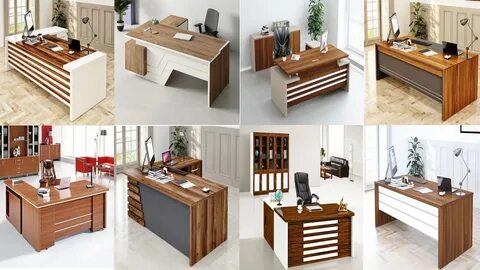
A productive workplace depends on furniture that supports organization, employee comfort, and efficient use of available space. Businesses need workstations that allow employees to complete daily responsibilities without unnecessary distractions or clutter. Office cubicles offer a versatile solution by dividing shared office areas into dedicated workspaces while maintaining a consistent and professional appearance. They can accommodate different departments, team sizes, and working styles without requiring permanent structural changes. From startups establishing their first office to established companies upgrading their interiors, cubicle systems provide practical options for organizing desks, equipment, documents, and storage. The right configuration can also help businesses prepare for future expansion while keeping their office layouts manageable. By considering workstation dimensions, partition materials, ergonomic features, and long-term costs, companies can create an environment that supports both employee needs and business objectives.
Designing a Workspace That Supports Daily Productivity
An effective office layout should make everyday tasks easier for employees. When workstations are poorly arranged, employees may struggle with limited desk space, inconvenient storage, and frequent interruptions. A planned furniture arrangement helps reduce these problems by creating clearly defined areas for different activities. Cubicle systems allow businesses to organize employees into departments or teams while providing each person with a dedicated working area. This structure can be useful in administrative offices, financial departments, customer service centers, and corporate facilities. Managers can position workstations according to the type of equipment employees use and how frequently they communicate with colleagues. For example, employees who handle paperwork may need additional surface space, while computer-based teams may prioritize monitor placement and cable organization. A well-designed layout should also include accessible walkways, suitable lighting, and convenient access to shared facilities. These details help create a workplace that feels organized and allows employees to focus on their responsibilities.
Understanding the Advantages of Office Cubicles
Cubicles offer several practical benefits for businesses that need to organize employees within a shared environment. One important advantage is efficient space utilization. Instead of constructing separate rooms for every employee, companies can use partitions to establish individual work areas within a larger office. This arrangement can help accommodate more functional workstations without making extensive structural changes. Cubicles also provide visual boundaries that help employees maintain a sense of personal space. Depending on the selected design, partitions can reduce some visual distractions and create a more structured atmosphere. Another benefit is customization. Businesses can choose different desk sizes, panel heights, finishes, and storage options according to their requirements. Modular systems may also allow workstations to be rearranged when departments expand or office responsibilities change. These features make cubicles suitable for organizations with changing staffing needs. However, their effectiveness depends on proper planning. Businesses should balance workstation capacity with comfort, accessibility, and sufficient room for employees to move throughout the office.
Selecting the Right Cubicle Style for Different Departments
Different departments often require different workstation arrangements. Employees who perform individual computer-based tasks may benefit from compact workstations with convenient cable management and adequate desk space. Administrative teams that manage physical documents may need additional drawers, shelves, and filing access. Departments that communicate frequently can benefit from clustered workstations that keep colleagues within easy reach. Straight-row arrangements provide a consistent appearance and can work well in offices with similar roles. L-shaped configurations offer additional surface area for employees who use multiple monitors or handle several materials at once. Semi-private cubicles can provide greater visual separation for employees who need fewer distractions, while lower partitions help maintain an open atmosphere. Businesses should evaluate these options according to their workflow rather than choosing one design for every department. Measuring the office and reviewing the activities performed at each workstation can help managers determine the most suitable configuration. A carefully selected design supports practical working habits and helps prevent wasted space.
Making Better Use of Available Office Space
Office space requires careful planning, especially for businesses operating in busy commercial areas or working within limited floor plans. Every workstation should provide enough room for the employee, chair, equipment, and necessary storage. At the same time, walkways must remain clear so employees can move safely between desks and access shared facilities. Cubicle systems can help organize the floor by creating defined sections without adding permanent walls. Before purchasing furniture, managers should measure the room and identify doors, windows, columns, electrical outlets, and existing fixtures. They should also consider where printers, filing cabinets, meeting areas, and other shared resources will be located. Positioning frequently used equipment in convenient locations can reduce unnecessary movement and limit interruptions around individual workstations. Businesses should avoid filling every available corner with furniture because overcrowding can make the office uncomfortable. Leaving some flexibility in the layout also helps accommodate future employees or equipment. Good space planning focuses on usability rather than simply increasing the number of desks.
Choosing Materials That Suit Your Working Environment
The materials used in cubicle construction affect appearance, durability, and maintenance. Businesses should consider the expected level of daily use before selecting finishes and structural components. Laminate desk surfaces are popular in many offices because they are available in different colors and patterns and are relatively easy to clean. Fabric-covered partitions can introduce texture and may help absorb some sound, depending on their construction. Metal frames provide structural support, while glass panels can help maintain a more open visual appearance. Each option has advantages and limitations, so the final decision should reflect the company’s priorities. High-traffic work areas may require surfaces that resist scratches and frequent cleaning. Sturdy frames, reliable fittings, and secure joints are equally important for long-term use. Companies should also review maintenance instructions and ask whether damaged panels or individual components can be replaced. Selecting durable materials can help preserve the appearance of office furniture and reduce the need for frequent repairs. A balanced approach considers construction quality, practicality, appearance, and budget together.
Creating Ergonomic Workstations for Employee Comfort
Employee comfort plays an important role in creating a functional office. People who spend several hours working at a desk need furniture that supports suitable posture and allows them to arrange their equipment conveniently. Desk height should work well with the selected chair, while monitor placement should reduce the need for repeated neck bending. Employees should have enough legroom and be able to position their keyboards and mice comfortably. Workstations also need sufficient surface area for the equipment required by each role. Businesses can improve comfort by providing supportive chairs, adjustable monitor stands, and appropriate task lighting. Screen glare should be minimized through thoughtful desk placement and suitable lighting arrangements. Ventilation and temperature also deserve attention because employees need a comfortable environment throughout the working day. Cubicle partitions should not obstruct airflow or make the workspace feel unnecessarily confined. Although ergonomic furniture cannot address every workplace concern, appropriate workstation planning can make daily tasks more comfortable and practical.
Managing Workplace Noise and Visual Distractions
Noise can affect concentration in offices where employees handle customer calls, prepare reports, or complete detailed administrative work. Cubicle partitions create visual boundaries and may help reduce some sound when suitable materials are used. However, standard partitions do not make workstations completely soundproof. Businesses should consider the nature of their operations before deciding how much separation is necessary. Lower panels can encourage communication in collaborative departments, while taller partitions may provide more visual privacy. Acoustic panels, soft furnishings, and designated meeting rooms can help manage noise more effectively when combined with appropriate furniture placement. Printers, photocopiers, and other frequently used equipment should be positioned away from employees who require quiet working conditions. Businesses can also establish guidelines for telephone conversations, virtual meetings, and quiet periods. Employees who handle confidential discussions should have access to enclosed rooms rather than relying solely on cubicle partitions. These practical measures help create a workplace where collaboration and focused work can take place without unnecessary conflict.
Flexible Furniture Solutions for Growing Companies
Businesses rarely remain the same size or operate in exactly the same way forever. New employees, changing departments, and revised working arrangements can create new furniture requirements. Modular cubicles can help companies respond to these changes because their components may be rearranged or expanded. A small business can begin with a limited number of workstations and add compatible units when additional employees join. Larger organizations may reorganize existing clusters to accommodate project teams or changing departmental responsibilities. This flexibility can reduce the need to replace an entire furniture system whenever the office layout changes. Before selecting a modular design, businesses should ask about compatibility between components and the availability of additional panels, desks, and storage units. They should also consider whether the furniture can be dismantled and relocated if the company changes premises. Planning for future growth involves choosing adaptable furniture rather than purchasing unnecessary items in advance. A flexible system can help businesses maintain an organized workplace as operational requirements evolve.
Organizing Storage and Essential Office Equipment
A functional workstation should provide convenient access to the tools employees use throughout the day. Without appropriate storage, documents, stationery, chargers, and personal items can quickly clutter desk surfaces. Cubicle systems can incorporate drawers, shelves, mobile pedestals, and other storage solutions that help employees organize their materials. The right combination depends on the work being performed. Employees who handle physical records may need more filing space, while those who rely primarily on digital documents may require fewer storage units and more room for monitors. Cable management is another useful feature because it helps keep wires organized and reduces visual clutter. Businesses should also consider where shared equipment will be placed. Printers and filing cabinets should be easy to access without forcing employees to walk through busy work areas or interrupt nearby colleagues. Organizing equipment according to actual usage can improve convenience and reduce unnecessary movement. When storage and workstation design work together, the office becomes easier to maintain and more comfortable to use.
Planning a Realistic Budget for Office Furniture
Purchasing office furniture requires a clear understanding of both immediate expenses and future costs. Businesses should compare cubicle prices alongside delivery, assembly, installation, and maintenance requirements. A lower initial price does not always represent the best long-term value if the furniture requires frequent repairs or cannot be expanded easily. Before requesting quotations, companies should identify essential features such as desk dimensions, partition heights, storage, finishes, and cable management. Comparing products with similar specifications makes it easier to assess differences in price and quality. Warranty coverage and the availability of replacement components should also be considered. Companies may benefit from prioritizing durable construction and functional features over decorative extras that do not contribute to daily operations. It is equally important to account for the number of employees who will use the furniture and whether additional workstations may be required later. A realistic budget helps organizations make informed decisions while avoiding unnecessary purchases. Careful planning allows businesses to invest in furniture that meets practical requirements without placing excessive pressure on available resources.
Maintaining a Clean and Professional Office Appearance
Once workstations are installed, regular maintenance helps keep the office organized and presentable. Employees should keep frequently used items within reach and store documents in appropriate locations. Routine cleaning should cover desk surfaces, partition panels, chairs, keyboards, and other frequently touched areas. Businesses should also inspect frames, fittings, and cable management systems periodically to identify damage or loose components. Prompt attention to maintenance issues can prevent minor problems from becoming more disruptive. Shared equipment should have designated locations so employees can find it easily and return it after use. Coordinating desk finishes and partition colors can create a consistent visual appearance across departments. However, appearance should always support functionality rather than interfere with comfort or accessibility. Managers should review the furniture layout when staffing levels change or employees experience recurring space problems. Adjusting storage, relocating equipment, or rearranging workstation clusters can help maintain a practical working environment. Consistent maintenance protects the furniture investment and supports a professional impression for employees and visitors.
Finding a Suitable Supplier for Your Office Layout
Choosing an appropriate supplier is an important step when purchasing workplace furniture. Businesses should review product specifications, construction quality, available configurations, customization options, and installation services before making a decision. Accurate dimensions are particularly important because cubicles must fit the office without obstructing walkways or access points. Companies should also ask about delivery arrangements, warranty terms, and the availability of additional components. If the office has an unusual layout, discussing measurements and workstation requirements with the supplier can help identify suitable options. Where possible, businesses should inspect product samples or showroom displays to assess finishes and construction quality. It is useful to compare quotations based on similar materials, dimensions, and included services rather than considering price alone. A suitable supplier should provide clear information that allows the business to make an informed choice. By evaluating these factors, companies can select furniture that meets their space requirements and supports their intended working environment.
Conclusion
Office cubicles offer businesses a practical way to organize employees, improve space utilization, and establish functional workstations. The right arrangement can support employee comfort, reduce visual distractions, and provide convenient storage for essential equipment. Businesses should consider layout, materials, ergonomics, privacy, maintenance, and future expansion before purchasing furniture. Comparing product quality and overall costs can also help companies make decisions that provide lasting value. For organizations exploring suitable workstation options, Modern desks and office cubicles can be considered when researching furniture solutions for a professional office environment. With thoughtful planning and regular maintenance, companies can create a workspace that accommodates changing requirements while supporting organized and efficient daily operations.