
Exterior Wall Paint: How to Protect, Improve and Maintain Your Property’s Exterior
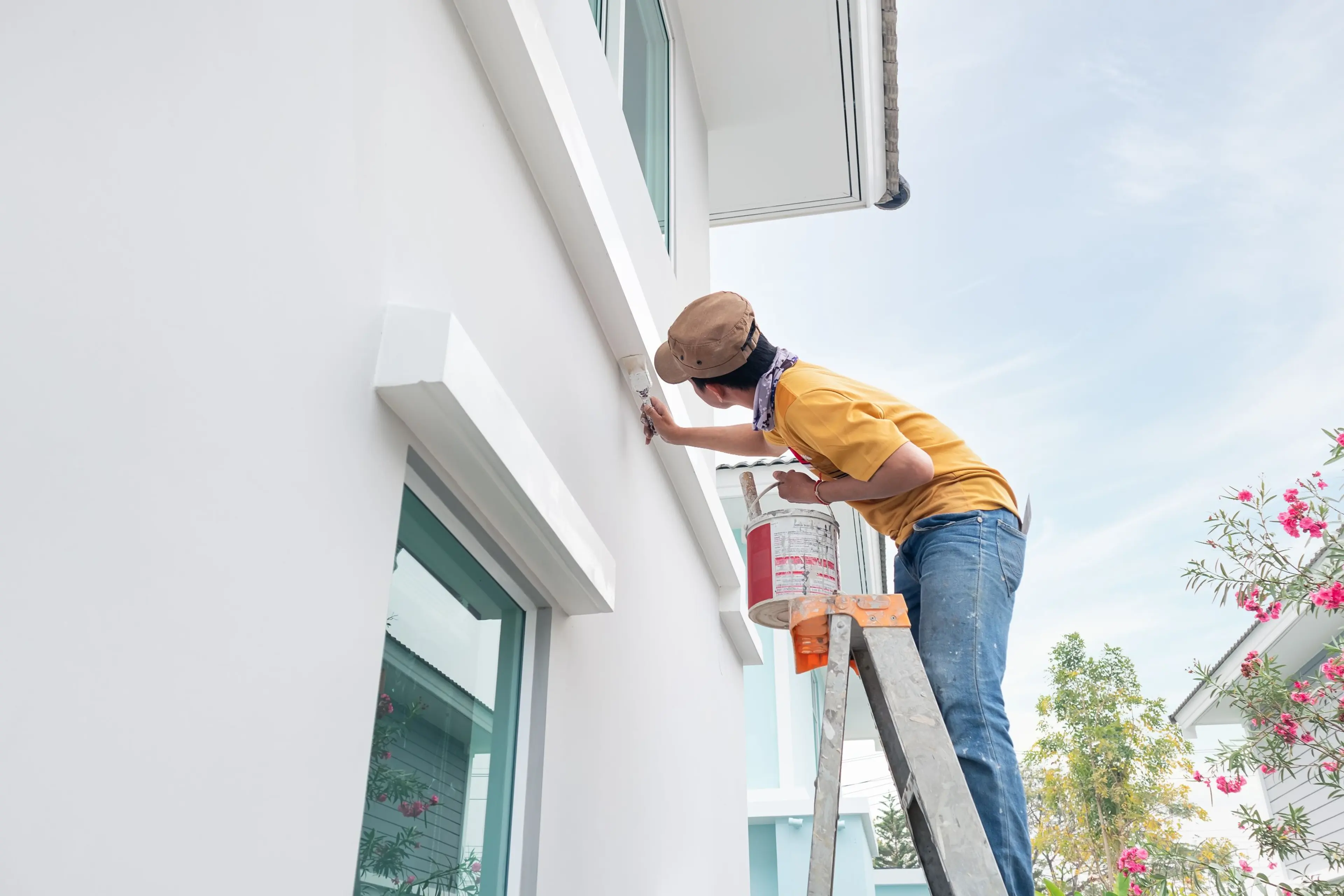 The exterior of a property is constantly exposed to changing weather conditions, moisture, sunlight, dust and environmental pollution. Over time, these elements can affect the appearance and condition of external walls, causing fading, peeling, cracking and surface deterioration. Choosing the right exterior wall paint is therefore an important part of maintaining a property’s appearance while providing an additional layer of protection against everyday environmental exposure.
A well-planned exterior painting project can transform an ageing building, improve its kerb appeal and help maintain the condition of its external surfaces. However, achieving a professional finish involves more than simply selecting an attractive colour. Property owners must consider surface preparation, paint quality, weather conditions, application techniques and ongoing maintenance.
Whether you are refreshing a residential property or improving the exterior of a commercial building, understanding the painting process can help you make informed decisions. From choosing suitable coatings to identifying common painting problems, every stage contributes to a durable and attractive result.
Why Exterior Wall Painting Is Important
External walls form one of the most visible parts of any building. They also provide a protective barrier against environmental conditions. As a result, maintaining painted surfaces is important for both appearance and general property maintenance.
Improving Kerb Appeal
First impressions matter, particularly when visitors, customers or potential buyers approach a property. Faded, stained or peeling walls can make an otherwise well-maintained building appear neglected.
A fresh coat of paint can create a cleaner, more attractive appearance. Selecting colours that complement the property’s architectural style, roof and surrounding environment can also improve its overall presentation.
For homeowners considering selling or renting their property, maintaining attractive external walls may help create a more positive impression.
Protecting External Surfaces
External walls are regularly exposed to rain, wind, sunlight and temperature fluctuations. These conditions can gradually affect masonry, render, concrete and other building materials.
A suitable protective coating helps reduce direct exposure to these environmental elements. Although paint cannot replace necessary structural repairs or waterproofing, it can contribute to surface protection when correctly selected and applied.
Supporting Long-Term Property Maintenance
Regular inspection and timely repainting can help property owners identify surface problems before they become more extensive. For example, peeling coatings may reveal moisture problems, while cracks could indicate movement or deterioration that requires further investigation.
Addressing these issues before painting helps support better maintenance and reduces the likelihood of repeating the same work unnecessarily.
Understanding Different Types of Exterior Wall Paint
Not every paint product is suitable for every external surface. Different buildings require different coatings depending on their construction materials, exposure conditions and existing finishes.
Masonry Paint
Masonry paint is specifically designed for external surfaces such as brickwork, concrete, render and certain types of stone. It is commonly used because it offers weather resistance and can provide a durable decorative finish.
Some masonry coatings are formulated to allow water vapour to escape from the wall while helping resist rain penetration. This breathability can be particularly important for older buildings and certain traditional construction materials.
Before purchasing masonry paint, check that the manufacturer’s specifications match the surface being treated.
Acrylic Exterior Paint
Acrylic-based coatings are widely used for external painting projects. They are valued for their flexibility, colour retention and resistance to weather-related deterioration.
These products are available in different finishes and colours, making them suitable for various residential and commercial applications.
However, the correct formulation must be selected according to the substrate and the manufacturer’s recommendations.
Silicone-Based Exterior Coatings
Silicone-based coatings are often selected for buildings that require additional resistance to rainwater while maintaining vapour permeability.
They can be particularly useful on suitable rendered surfaces where moisture management is an important consideration.
Nevertheless, compatibility with existing coatings and the condition of the underlying wall should always be assessed before application.
Specialist Exterior Coatings
Some properties require specialist products rather than conventional decorative paint. These may include coatings designed for textured render, heritage masonry or specific construction materials.
Using an unsuitable product can lead to poor adhesion, uneven coverage and premature coating failure. Therefore, product selection should always begin with an assessment of the external surface.
How to Choose the Right Exterior Wall Paint
Selecting the correct coating involves considering several factors beyond colour and price. A suitable product should match the building material, local exposure conditions and expected maintenance requirements.
Consider the Wall Material
The first step is identifying the surface that needs painting. Brick, render, concrete and previously painted masonry can have different preparation and coating requirements.
For instance, a porous rendered wall may require a particular primer or stabilising treatment, while previously painted masonry may need cleaning and removal of loose material.
Always follow the product manufacturer’s guidance regarding surface compatibility.
Evaluate Weather Exposure
Buildings exposed to strong sunlight, frequent rainfall, wind-driven moisture or coastal conditions may require coatings with specific performance characteristics.
UV resistance helps maintain colour appearance, while suitable weather-resistant formulations help external surfaces withstand environmental exposure.
In areas experiencing frequent rainfall, the wall’s existing moisture condition should be investigated before painting.
Select Appropriate Colours
Colour selection affects the overall appearance of a property. Neutral shades such as cream, white, grey and beige are popular because they complement many architectural styles.
Darker colours can create a contemporary appearance, although some may absorb more heat and experience greater temperature-related stress depending on the material and exposure.
It is advisable to test sample colours on a small section of the wall before making a final decision.
Check Product Quality and Coverage
Paint quality can influence application, coverage, finish and maintenance requirements.
When comparing products, consider:
Recommended coverage per litre.
Number of coats required.
Drying and recoating times.
Resistance to weather exposure.
Compatibility with the existing surface.
Manufacturer’s expected maintenance guidance.
A lower purchase price does not necessarily represent better value if the coating requires additional preparation or more frequent repainting.
Preparing External Walls Before Painting
Surface preparation is one of the most important stages of a successful painting project. Even high-quality exterior wall paint may fail prematurely if applied over dirt, loose coatings or damaged surfaces.
Cleaning the Walls
External walls can collect dust, algae, moss, pollution deposits and other contaminants. These materials can interfere with paint adhesion and affect the final appearance.
Depending on the surface, cleaning may involve brushing, washing or using an appropriate cleaning solution.
Pressure washing should be carried out carefully because excessive pressure can damage softer masonry, dislodge mortar or force water into vulnerable areas.
The walls must be allowed to dry sufficiently before further preparation begins.
Repairing Cracks and Damaged Areas
Small surface defects should be assessed and repaired using materials suitable for the particular substrate.
Loose render, damaged mortar joints and deteriorating coatings may require attention before painting.
It is particularly important to investigate significant cracks rather than simply covering them with paint. Some cracks may indicate structural movement or persistent moisture problems that need professional assessment.
Removing Loose and Peeling Paint
Existing coatings that are flaking, blistering or poorly attached should be removed to create a stable surface.
Scraping and brushing can help eliminate loose material. Depending on the condition of the wall, additional preparation may be necessary.
If older coatings are suspected of containing hazardous substances, appropriate professional assessment and safe removal procedures should be followed.
Applying Primer or Stabiliser
Some external surfaces require a primer or stabilising solution before the finishing coats are applied.
Primers can improve adhesion and help create a more consistent surface, while stabilising products may be appropriate for certain powdery or friable backgrounds.
However, these treatments are not interchangeable. The correct preparation product depends on the wall material and the condition of the existing surface.
The Exterior Wall Painting Process
A professional painting project follows a planned sequence to achieve consistent coverage and a suitable finish.
Step 1: Inspect the Property
The painting process should begin with an inspection of the external walls. This helps identify damaged areas, previous coating problems, moisture concerns and access requirements.
The inspection also helps determine which materials and preparation methods are appropriate.
Step 2: Protect Surrounding Areas
Windows, doors, gutters, paving, plants and other nearby surfaces should be protected before painting starts.
Suitable coverings and masking materials help prevent accidental splashes and make the final cleaning process easier.
Step 3: Complete Surface Preparation
Cleaning, scraping, repairing and priming should be completed according to the condition of the walls.
Allowing sufficient drying time is essential because applying coatings to damp or unstable surfaces can affect adhesion and performance.
Step 4: Apply the First Coat
Once the surface is ready, the first coat can be applied using suitable brushes, rollers or spraying equipment.
The application method depends on the wall texture, product specifications and site conditions.
Consistent application helps reduce visible differences in coverage and finish.
Step 5: Apply Additional Coats
Most exterior painting projects require more than one coat to achieve the manufacturer’s recommended coverage and appearance.
The first coat should dry according to the product instructions before the next coat is applied.
Applying subsequent coats too early can affect the finish and coating performance.
Step 6: Inspect the Finished Work
After application, the completed surface should be checked for missed areas, uneven coverage, drips and other visible defects.
Protective coverings can then be removed, surrounding areas cleaned and any necessary finishing work completed.
Common Exterior Painting Problems and How to Prevent Them
Even carefully planned projects can experience problems if preparation, product selection or application conditions are unsuitable.
Peeling and Flaking
Peeling commonly occurs when coatings lose adhesion to the underlying surface. Possible causes include poor preparation, incompatible products, excessive moisture or applying paint over unstable existing coatings.
Preventing this problem requires identifying the underlying cause rather than simply applying another coat.
Blistering and Bubbling
Blistering can develop when moisture or heat affects the coating during or after application.
Painting damp walls or working in unsuitable weather conditions can increase the risk.
The surface should be investigated and allowed to dry appropriately before repainting.
Fading and Discolouration
Prolonged sunlight can gradually affect paint colour. Environmental pollution and biological growth may also contribute to discolouration.
Selecting suitable UV-resistant coatings and maintaining external surfaces can help preserve their appearance.
Uneven Coverage
Patchy finishes may result from inconsistent application, inadequate preparation or insufficient coating coverage.
Following the manufacturer’s application instructions and allowing appropriate drying times can help achieve a more uniform result.
The Importance of Weather Conditions When Painting Outside
Weather plays a significant role in exterior painting because temperature, humidity, wind and rainfall can influence how coatings apply and dry.
Avoid Painting During Rain
Rain can interfere with wet coatings, cause streaking and prevent proper drying. Walls should also be sufficiently dry before application.
Always check the product’s weather recommendations before starting.
Consider Temperature and Humidity
Most exterior coatings have recommended application temperature ranges. Applying paint outside these limits can affect drying, adhesion and overall finish.
High humidity may extend drying times, while excessive heat can cause paint to dry too quickly.
Choose Suitable Working Conditions
A dry period with moderate temperatures and limited wind is generally preferable. However, the precise requirements depend on the product being used and the property’s exposure.
Planning around the local forecast can reduce interruptions and help achieve more consistent results.
Maintaining Painted Exterior Walls
Completing a painting project is only one part of looking after a building. Regular maintenance helps preserve the finish and identify developing problems.
Carry Out Regular Inspections
External walls should be inspected periodically for cracking, peeling, staining, algae growth and signs of moisture penetration.
Pay particular attention to areas around windows, doors, roof edges and drainage systems, where water-related problems may develop.
Keep Walls Clean
Removing accumulated dirt and organic growth can help maintain an attractive appearance.
Use cleaning methods appropriate for the wall material and coating. Avoid aggressive techniques that could damage the painted surface.
Address Minor Problems Promptly
Small areas of coating damage should be investigated and repaired where appropriate.
However, recurring peeling, damp patches or widespread cracking may indicate an underlying issue that requires professional attention before repainting.
Follow a Suitable Repainting Schedule
There is no single repainting interval that applies to every property. The lifespan of a coating depends on product quality, surface preparation, weather exposure and maintenance.
Regular inspections are more reliable than following an inflexible timetable.
Why Professional Exterior Painting Services Matter
Although some homeowners choose to undertake smaller painting projects themselves, larger or more complex properties may benefit from professional assistance.
Experienced painting professionals can assess the wall condition, identify suitable products and recommend appropriate preparation methods.
They can also help manage access equipment, protect surrounding surfaces and apply coatings consistently.
For properties with difficult access, extensive deterioration or suspected structural and moisture problems, professional assessment is particularly important.
Working with an established property maintenance provider such as Aberdeen Roof Repairs can also help property owners consider the wider condition of their building’s exterior rather than focusing only on its appearance.
Frequently Asked Questions
How Many Coats Are Needed for Exterior Walls?
The number of coats depends on the product, surface condition, colour change and manufacturer’s instructions. Many projects require a primer or preparation treatment followed by two finishing coats, although requirements can vary.
Can Exterior Walls Be Painted Without Primer?
Some surfaces and products allow direct application, while others require a suitable primer or stabiliser. Always check the manufacturer’s recommendations and assess the condition of the existing coating.
How Long Does Exterior Wall Painting Take to Dry?
Drying times vary according to the paint formulation, temperature, humidity and ventilation. A surface may feel dry to the touch before it is ready for another coat or full exposure to adverse weather.
What Causes Exterior Paint to Peel?
Common causes include moisture, inadequate surface preparation, incompatible coatings and applying paint over loose or damaged material. Identifying and resolving the underlying cause is essential.
Is Exterior Painting Possible During Winter?
It may be possible when temperatures and weather conditions remain within the manufacturer’s specified limits. However, cold temperatures, frost, rain and high humidity can make winter painting unsuitable.
Conclusion
Maintaining external walls is an important part of protecting a property’s appearance and supporting its long-term upkeep. From choosing suitable coatings and preparing the surface to applying paint under appropriate weather conditions, every stage contributes to a successful result.
Selecting the right materials, repairing existing defects and carrying out regular inspections can help reduce common painting problems and maintain an attractive finish. Property owners should also remember that paint is not a substitute for repairing structural damage or resolving persistent moisture issues.
With careful planning, appropriate materials and professional workmanship, exterior wall paint can help transform tired external surfaces and improve the overall presentation of a building. For property owners seeking dependable exterior maintenance guidance, Aberdeen Roof Repairs can be considered when planning improvements that contribute to a well-maintained and attractive property.