
Botox Injections in London: How Are Treatment Areas Selected According to Individual Goals?
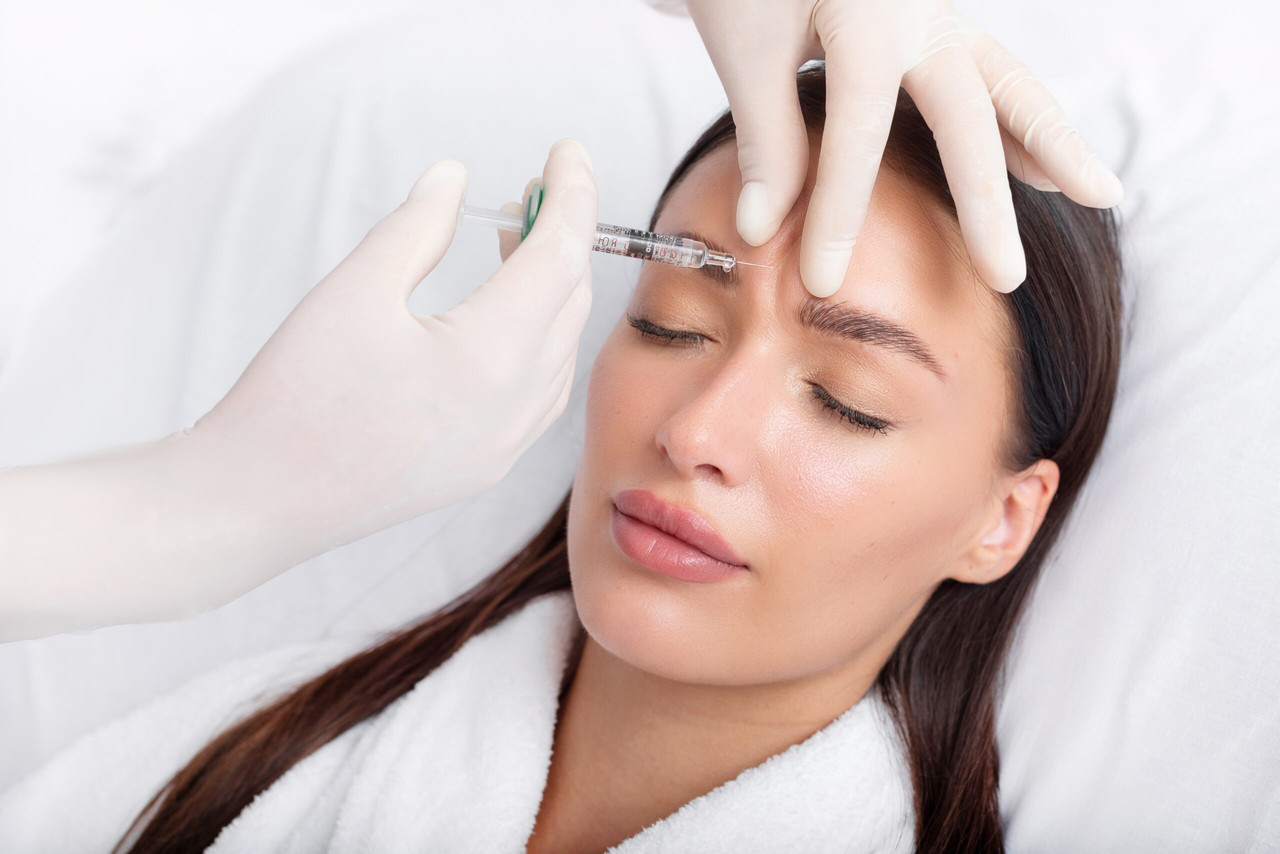 Botox treatments have become a popular option for people who want to soften the appearance of expression lines while maintaining their natural facial features. However, achieving a balanced result begins with understanding that every face is different. The areas selected for treatment should reflect an individual’s facial anatomy, expression patterns, preferences, and aesthetic goals rather than following a standard approach.
At Bodyvie Clinic, choosing suitable treatment areas involves considering how facial muscles move, where lines appear, and which features a person would like to address. Some individuals may be interested in softening forehead lines, while others may focus on the area between the eyebrows or the lines that appear around the outer corners of the eyes. Each concern requires an individual assessment and a carefully considered treatment plan.
Understanding how Botox in London can be tailored to personal goals helps patients approach their consultation with clearer expectations. Rather than concentrating on a particular number of injections or copying someone else’s results, the process focuses on identifying suitable areas and determining how treatment may complement the person’s natural appearance.
Understanding Individual Goals Before Botox Treatment
The first step in selecting treatment areas is understanding what the patient wants to achieve. People often use the term Botox to describe several different aesthetic concerns, but their priorities can vary considerably.
One person may want to soften horizontal lines across the forehead, while another may be more concerned about the appearance of frown lines that become noticeable when concentrating. Someone else may wish to explore treatment around the eyes to address expression lines that appear when smiling.
During a consultation, the practitioner can discuss these concerns and clarify which areas are most relevant to the patient’s goals. This conversation also helps distinguish between lines that appear during facial movement and lines that remain visible when the face is relaxed.
Patients should feel comfortable explaining what they would like to change and what they prefer to preserve. For example, an individual might want a smoother-looking forehead but still wish to retain some natural movement in their eyebrows. Communicating these preferences helps guide a personalised discussion.
How Facial Expressions Influence Treatment Area Selection
Facial expressions play an important role in determining which areas may be suitable for Botox. The face contains different muscle groups that work together when a person raises their eyebrows, frowns, smiles, or squints.
Repeated muscle contractions can contribute to the development of dynamic lines over time. Botox works by temporarily reducing activity in targeted muscles, which can soften certain expression lines.
Forehead Lines and Eyebrow Movement
Horizontal forehead lines often appear when a person raises their eyebrows. These lines may be more noticeable in individuals who frequently lift their brows while speaking or expressing surprise.
When considering forehead treatment, a practitioner assesses the movement of the forehead muscles and their relationship with the muscles that influence eyebrow position. The aim is to understand whether treating this area may help address the patient’s concern while respecting their natural facial expression.
The forehead should not be considered in isolation. Its movement is closely connected to the position of the eyebrows, so an appropriate treatment plan requires consideration of the surrounding facial anatomy.
Frown Lines Between the Eyebrows
Frown lines develop between the eyebrows when certain muscles contract during expressions such as concentrating, squinting, or frowning. Some people are concerned that these lines make them appear tense or tired, even when they feel relaxed.
For these patients, the area between the eyebrows may be an important topic during consultation. The practitioner can observe how the muscles move and discuss whether Botox may help soften the appearance of the lines.
The treatment approach should reflect the individual’s muscle activity and facial structure rather than applying an identical plan to every patient.
Lines Around the Outer Corners of the Eyes
Lines around the outer corners of the eyes, commonly known as crow’s feet, can appear when smiling or squinting. These lines are a natural part of facial expression, but some people prefer to soften their appearance.
During assessment, the practitioner considers how the eyes move during smiling and how prominent the lines are at rest. The patient’s preferences are equally important. Some individuals want to reduce the visibility of these lines while retaining a recognisable, expressive smile.
Selecting this area requires attention to the surrounding muscles and the relationship between eye movement and the overall appearance of the face.
Why Facial Anatomy Matters When Choosing Botox Areas
Although people may share similar aesthetic concerns, their facial anatomy can differ significantly. Variations in muscle strength, eyebrow position, forehead proportions, and existing facial movement can influence treatment planning.
For this reason, Botox Injections In London should be approached as an individualised treatment rather than a fixed combination of injection points.
A practitioner may observe how the eyebrows sit naturally, whether one side moves more than the other, and how different muscle groups interact. These details can help inform a discussion about suitable treatment areas.
Facial symmetry is another consideration. Most people have some degree of natural asymmetry, which may become more noticeable during particular expressions. The objective is not necessarily to create perfect symmetry but to consider the person’s existing features when discussing their desired outcome.
The practitioner should also distinguish between concerns caused by muscle movement and those associated with other factors, such as skin texture, facial volume, or skin laxity. Botox primarily affects targeted muscle activity, so it may not address every concern that appears in the same area.
Understanding these distinctions helps patients develop realistic expectations and consider whether another treatment approach may be more appropriate for their priorities.
Matching Treatment Areas to Different Aesthetic Priorities
Different aesthetic goals can lead to different treatment discussions. Identifying the main priority helps the practitioner focus the consultation on the areas most relevant to the patient.
For a Smoother-Looking Forehead
People who are primarily concerned about horizontal forehead lines may wish to discuss how their forehead muscles contribute to these lines. The practitioner can assess eyebrow movement and explain how treatment may influence the appearance of the forehead.
The plan should account for the relationship between forehead movement and eyebrow position, as these features work together to create natural expressions.
For a More Relaxed Appearance
Some individuals feel that frown lines make them appear worried, serious, or frustrated. In these cases, the consultation may focus on movement between the eyebrows and the appearance of the area when the face is at rest.
Discussing the expressions that create the most concern helps the practitioner identify the relevant muscles and explain the potential role of Botox.
For Softer Lines Around the Eyes
Patients who notice lines when smiling may be interested in treatment around the outer corners of the eyes. The consultation should explore how much movement they wish to retain and whether the lines appear primarily during expression or remain visible at rest.
This allows the treatment discussion to reflect personal preferences rather than assuming that every patient wants the same degree of change.
For a Balanced Overall Appearance
Some patients have concerns involving more than one area. They may notice forehead lines, frown lines, and lines around the eyes and wonder whether these concerns should be addressed together.
A practitioner can assess the face as a whole and discuss which areas are appropriate to prioritise. Treating several areas is not automatically necessary, and a focused approach may better reflect the patient’s needs.
The decision should be based on facial assessment, suitability, and the individual’s goals rather than the number of areas that can be treated in one appointment.
The Importance of a Personalised Consultation
A detailed consultation provides an opportunity to establish a clear understanding of the patient’s expectations before selecting treatment areas.
The practitioner may ask which facial lines are most noticeable, when they appear, and whether they are concerned about particular expressions. Patients may also explain whether they prefer a subtle change or a more noticeable softening of selected lines.
Observing the face at rest and during movement helps provide additional context. A line that appears prominently during frowning may require a different discussion from a line that remains visible when the face is relaxed.
Previous aesthetic treatments may also be relevant. Information about earlier Botox treatments, the areas previously addressed, and the patient’s experience can help inform the current consultation.
Patients should have the opportunity to ask questions about the treatment process, expected results, and the limitations of Botox. A good consultation is a collaborative discussion in which the practitioner explains the available options and the patient can make an informed decision.
For those researching the Best Botox Clinic London, it is worth considering the quality of the consultation, the practitioner’s qualifications, and whether treatment recommendations are clearly explained. Personalised care involves more than selecting injection points; it requires understanding the individual and their expectations.
How Treatment Priorities Are Established
When a patient has several concerns, it can be helpful to establish priorities before finalising a treatment plan. This prevents the consultation from becoming focused on treating every visible line without considering which changes matter most to the individual.
The practitioner may begin by identifying the primary concern and then consider whether neighbouring areas influence its appearance. For example, forehead movement and eyebrow position are closely connected, so a discussion about forehead lines should account for this relationship.
Patients can also explain what they do not want to change. Someone who values expressive eyebrows may want to discuss how treatment could affect their natural movement. Another person may prefer to focus on one area rather than several.
These conversations help establish a shared understanding of the intended outcome. They also allow the practitioner to explain when a particular expectation may not be achievable through Botox alone.
The final plan should reflect clinical judgement and the patient’s informed preferences. The practitioner should explain why particular areas are being considered and avoid recommending unnecessary treatment simply because multiple areas are available.
What Results Can Patients Expect From Botox?
Botox temporarily reduces activity in selected muscles, helping soften certain expression lines. Results develop gradually rather than appearing immediately after treatment. Many patients begin noticing changes within several days, with the effect generally becoming more apparent over approximately one to two weeks.
The outcome varies according to the treated area, the individual’s muscle activity, the treatment approach, and other personal factors. Botox does not permanently remove lines, stop the natural ageing process, or address every cause of facial wrinkles.
Some dynamic lines may become less noticeable, while lines that are present at rest may remain partly visible. This distinction is important when discussing expectations during consultation.
The intention of personalised treatment is to select appropriate areas in accordance with the patient’s goals while taking facial anatomy into account. A successful plan should be based on a clear understanding of what the treatment can reasonably achieve.
Follow-up discussions can help patients review their experience and understand when further assessment may be appropriate. Any decision about subsequent treatment should be guided by the practitioner’s assessment and the patient’s individual needs.
Choosing the Right Botox Clinic in London
Selecting a clinic is an important part of the treatment journey. Patients should look for an appropriately qualified and experienced medical practitioner who can assess facial anatomy, discuss individual goals, and explain the treatment process clearly.
A thorough consultation should include an opportunity to discuss expectations, ask questions, and understand why specific areas may or may not be suitable. Patients should not feel pressured to choose more treatment than they want or need.
When researching Botox in London, consider whether the clinic takes time to understand your concerns rather than offering the same treatment plan to everyone. Clear communication, an individual assessment, and a realistic explanation of possible outcomes are valuable parts of informed decision-making.
Bodyvie Clinic offers a setting in which patients can explore their aesthetic concerns and discuss treatment options with a practitioner. Before proceeding, patients should ensure that the proposed approach aligns with their priorities and that they understand the intended outcome.
Conclusion
Selecting Botox treatment areas involves more than identifying visible facial lines. It requires an understanding of facial anatomy, muscle movement, individual preferences, and the relationship between different facial features.
Whether a patient is concerned about forehead lines, frown lines, or crow’s feet, the most suitable approach begins with a personalised consultation. Discussing the desired outcome, observing natural expressions, and establishing realistic expectations can help guide the selection of appropriate treatment areas.
For anyone considering Botox Injections In London, the priority should be a carefully considered plan that reflects their individual goals rather than a standard treatment pattern. With an appropriate assessment and clear communication, patients can make informed decisions about whether Botox is suitable for their aesthetic preferences.
Frequently Asked Questions
How are Botox treatment areas selected?
Treatment areas are selected according to the patient’s aesthetic concerns, facial anatomy, muscle movement, and desired outcome. A practitioner assesses the relevant areas and discusses which may be suitable for treatment.
Which facial areas are commonly treated with Botox?
Common treatment areas include horizontal forehead lines, frown lines between the eyebrows, and expression lines around the outer corners of the eyes. Suitability depends on the individual’s anatomy and treatment goals.
Can I choose which areas I want to treat with Botox?
You can explain your preferences and identify the areas that concern you most. The practitioner will assess those areas and discuss whether treatment is appropriate, taking your facial anatomy and expectations into account.
Should I treat my forehead and frown lines together?
Not necessarily. Some patients may benefit from discussing both areas because their muscle movements are connected, while others may have different priorities. The decision should follow an individual assessment and a discussion of the intended outcome.
How long does a Botox consultation take?
The length of a consultation varies depending on the patient’s concerns, medical history, and questions. Sufficient time should be allowed to assess facial movement, discuss suitable treatment areas, and explain realistic expectations.
When will I see results after Botox injections?
Results usually develop over several days, with the effect becoming more apparent over approximately one to two weeks. The timing and degree of change vary between individuals and treatment areas.
How long do Botox results last?
Results commonly last around three to four months, although this varies according to the individual, the treated area, and the treatment approach. The practitioner can discuss what may be expected in your circumstances.
Can Botox treat every type of facial wrinkle?
No. Botox primarily targets muscle activity associated with dynamic expression lines. Wrinkles related to skin texture, volume changes, or skin laxity may require a different assessment and treatment approach.
How can I find the best Botox clinic in London?
Look for a clinic with appropriately qualified practitioners, a thorough consultation process, and clear explanations of treatment options. The practitioner should listen to your goals, assess your facial anatomy, and recommend an individualised approach.
Is a personalised Botox treatment plan important?
Yes. Facial anatomy, muscle activity, and aesthetic preferences differ between individuals. A personalised plan helps ensure that treatment discussions focus on suitable areas and realistic outcomes rather than a standard combination of injections.