
Eyebrow Mole Removal: A Complete Guide to Safe and Effective Treatment
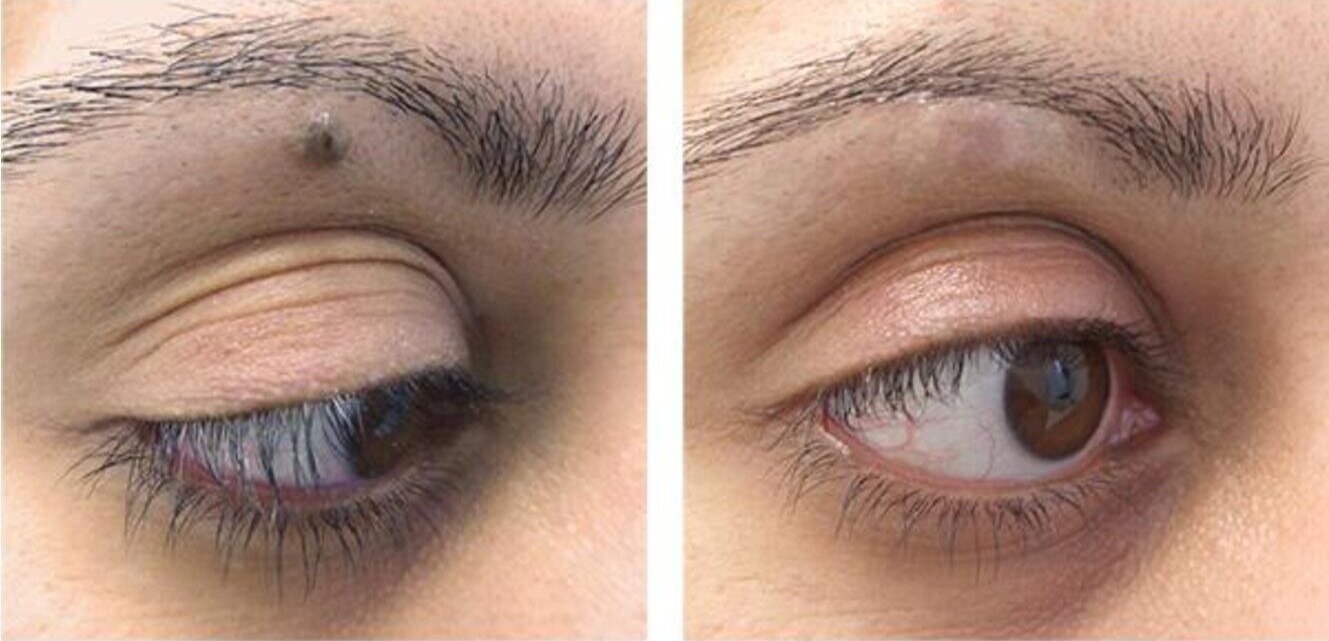
A mole near or within the eyebrow can be a distinctive facial feature, but some people may prefer to have it removed because of its appearance, irritation, or changes over time. Since the eyebrow is located close to the eye and contains delicate skin and hair follicles, treatment should be planned carefully. Eyebrow mole removal should begin with a professional evaluation to determine whether the growth is a benign mole and whether removal is appropriate.
Removing a mole from the eyebrow area is not simply about eliminating a visible spot. A qualified professional must consider the mole’s size, depth, location, and relationship to the eyebrow hairs and surrounding skin. The recommended procedure should also take cosmetic considerations into account because changes to the eyebrow can affect facial symmetry and appearance.
What Is an Eyebrow Mole?
An eyebrow mole is a pigmented skin growth located within the eyebrow or on the surrounding skin. Moles can vary in color, size, texture, and shape. Some are flat, while others are raised and may contain hairs.
Many moles are harmless and remain unchanged for years. They may not require treatment unless they become irritating or cosmetically bothersome.
Because the eyebrow is highly visible, even a small mole can become a cosmetic concern. Some people may also find a raised mole uncomfortable when grooming the eyebrows or applying makeup.
Before deciding on removal, however, it is important to determine exactly what the growth is. Not every dark or raised lesion near the eyebrow is necessarily a mole.
Why Do People Consider Eyebrow Mole Removal?
Cosmetic appearance is one of the most common reasons people seek treatment. A mole located in the middle of an eyebrow or directly above the eye can draw attention and may affect how a person feels about their appearance.
A mole may also cause physical irritation. It can be accidentally scratched during eyebrow grooming, rubbed when washing the face, or irritated by cosmetic products.
Another reason for removal is a noticeable change in the lesion. If a mole begins changing in size, shape, color, or texture, a professional may recommend an examination and potentially removal.
The decision to remove a mole should be based on an individual’s needs and professional medical advice rather than pressure to meet a particular beauty standard.
Why Should an Eyebrow Mole Be Examined First?
A professional evaluation is an important first step before treatment. The provider may examine the lesion’s size, shape, color, borders, surface, and history.
Most moles are not dangerous, but certain changes should be assessed. A lesion that becomes noticeably larger, develops irregular coloring, bleeds without an obvious reason, crusts, or changes in texture may require additional evaluation.
If a mole is removed, the tissue may be submitted for microscopic examination when clinically appropriate. Pathology can help determine the nature of the lesion and whether further monitoring or treatment is necessary.
This is particularly important when a lesion has unusual characteristics. Cosmetic treatment should never replace appropriate medical evaluation.
How Is Eyebrow Mole Removal Performed?
The appropriate removal technique depends on the type and characteristics of the mole. A professional may consider surgical excision or another suitable technique depending on the lesion.
For certain raised or superficial moles, a procedure that removes the visible portion may be appropriate. Other lesions may require complete excision, particularly if the provider wants the entire lesion removed or examined.
The location of the mole matters because the eyebrow contains hair follicles and contributes significantly to facial symmetry. Careful treatment planning can help reduce unnecessary damage to surrounding tissue.
During a consultation, the provider can explain the recommended procedure, possible alternatives, expected recovery, and potential cosmetic changes.
Will Eyebrow Mole Removal Affect Eyebrow Hair?
The effect on eyebrow hair depends largely on where the mole is located and how deeply it extends. If the lesion involves or sits directly within the eyebrow, some hairs may be affected by the procedure.
A qualified provider can discuss this possibility before treatment and explain what may happen during healing. In some cases, eyebrow hairs may grow back naturally, while changes can depend on the depth and location of the procedure.
Because eyebrows play an important role in facial appearance, it is important to discuss cosmetic expectations before treatment rather than assuming the area will look exactly the same afterward.
Can Eyebrow Mole Removal Leave a Scar?
Any procedure involving the removal of skin can result in a scar. The appearance of the scar depends on several factors, including the size and depth of the mole, the technique used, the location, and the individual’s healing response.
The eyebrow can sometimes provide a natural visual transition that may make a small scar less noticeable, but results vary from person to person.
Immediately after treatment, the area may look red or swollen. As healing progresses, the scar may become less noticeable and change in texture or color.
A professional can discuss potential scarring during your consultation and provide realistic expectations about the final appearance.
What Is Recovery Like?
Recovery depends on the removal technique and the size of the treated lesion. Temporary swelling, redness, tenderness, or bruising may occur.
Patients should carefully follow their provider’s instructions regarding cleaning the area and protecting the healing site. Avoiding unnecessary touching, scratching, or picking can help reduce irritation during recovery.
If sutures are used, the provider will explain how to care for them and whether a follow-up appointment is needed for removal.
It is normal for the treatment area to look different during the early stages of healing. The final appearance may take time to develop, so patience is important.
Can You Remove an Eyebrow Mole at Home?
Home mole removal is not recommended, particularly around the eyebrow and eye. Cutting, burning, scraping, or applying strong chemical products can cause bleeding, infection, burns, permanent scarring, and damage to surrounding skin.
There is also a medical concern. Removing a lesion without professional evaluation may prevent appropriate diagnosis or interfere with pathology if the tissue should have been examined.
Because the eyebrow is close to the eye, an accidental injury can have consequences beyond a cosmetic scar. Professional assessment is a much safer approach.
When Should an Eyebrow Mole Be Checked?
A mole that remains unchanged may not require immediate treatment, but a new or changing lesion should be professionally evaluated.
Pay attention to changes in size, shape, color, borders, or surface. Bleeding, persistent crusting, unexplained pain, significant itching, or rapid changes are also reasons to seek professional advice.
The ABCDE method—Asymmetry, Border, Color, Diameter, and Evolution—can help people notice potentially concerning changes in pigmented lesions. It is not a diagnostic system, however, and a professional examination is necessary when there is concern.
Choosing a Qualified Provider
Because the eyebrow is close to the eye and important facial structures, provider experience is an important consideration. Look for a qualified medical professional who has experience with facial skin lesions and procedures around the eye.
During your consultation, ask what type of lesion you have, whether removal is recommended, what procedure will be used, and whether the tissue will be examined after removal.
It is also reasonable to discuss scarring, eyebrow hair changes, recovery, follow-up care, and the expected cosmetic result. Understanding these factors beforehand can help you make a more informed decision.
Final Thoughts
Eyebrow mole removal can be an option for people who are concerned about the appearance, irritation, or changing characteristics of a mole. However, the area requires careful treatment because it is close to the eye and contains structures that contribute to facial appearance.
A professional examination should come first. Depending on the lesion, the provider may recommend monitoring, removal, or additional evaluation. If the mole is removed, microscopic examination may also be appropriate in certain circumstances.
Avoid attempting to remove an eyebrow mole at home. With proper assessment, an appropriate treatment plan, and careful aftercare, it is possible to address an unwanted mole while keeping safety, eyebrow appearance, and long-term cosmetic results in consideration.