
Freeman Retractor: Design, Uses, and Importance in Surgical Procedures
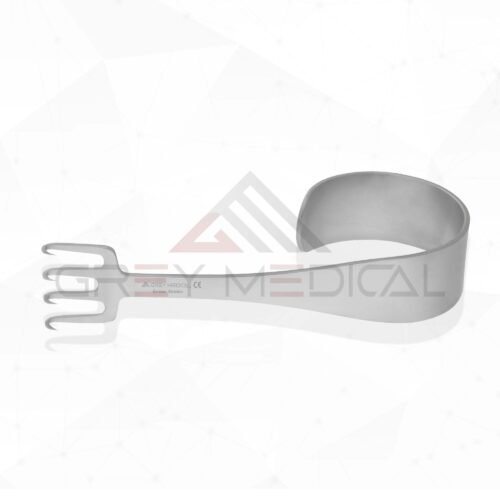
A freeman retractor is a specialized surgical instrument designed to help healthcare professionals retract and hold soft tissues during surgical procedures. Retractors play an essential role in maintaining visibility and access to the operative site. Therefore, surgeons rely on appropriately designed instruments to support precision, control, and efficiency throughout different procedures. The Freeman retractor is valued for its practical design and usefulness in surgical settings where tissue exposure is necessary.
In modern surgical practice, choosing the right retractor can make a significant difference in instrument handling and workflow. Moreover, a well-crafted freeman retractor helps medical professionals maintain access to the surgical area while allowing them to focus on the procedure and surrounding anatomical structures.
Understanding the Freeman Retractor
The Freeman retractor is a surgical tool used to move or hold tissue away from the operative field. Its design supports tissue retraction, allowing surgeons and other qualified medical professionals to improve visibility and access during procedures. Depending on the specific model, the instrument may feature carefully shaped blades and a handle designed for convenient manipulation.
Furthermore, retractors come in various sizes and configurations to meet different clinical requirements. The shape, length, and width of the working end can influence how the instrument performs in a particular surgical environment. Consequently, healthcare professionals should select an appropriate retractor according to the procedure, anatomical location, and their clinical preferences.
Applications of the Freeman Retractor in Surgery
Retractors are essential across many surgical specialties because they help maintain access to targeted anatomical areas. The freeman retractor may be used in surgical settings where practitioners need to move soft tissues carefully to improve visibility and access. In addition, retractors can help surgical teams maintain a more organized operative field during procedures.
Tissue retraction allows surgeons to work with greater visibility and helps reduce the need for continuous manual repositioning. However, proper placement and handling remain important to avoid unnecessary pressure on surrounding tissues. Therefore, trained healthcare professionals must use retractors according to established clinical techniques and procedural requirements.
Different surgical approaches may require different retractor styles. For this reason, medical facilities often maintain a variety of retractors to accommodate the needs of surgeons across multiple specialties.
Design Features and Instrument Construction
The design of a freeman retractor influences its handling, durability, and functional performance. Manufacturers consider several factors, including blade shape, handle design, surface finish, material selection, and overall balance. These features help determine how comfortably and effectively professionals can handle the instrument during procedures.
Surgical-grade stainless steel is commonly used in the manufacturing of surgical retractors because it offers durability, corrosion resistance, and compatibility with appropriate sterilization methods. Additionally, a smooth surface finish supports easier cleaning and instrument maintenance when users follow recommended processing guidelines.
A thoughtfully designed handle can provide a secure grip, while the working end helps practitioners position tissue according to the requirements of the procedure. Moreover, precise manufacturing can support consistent instrument quality and reliable handling throughout repeated clinical use.
Selecting the Right Surgical Retractor
Selecting a suitable retractor involves evaluating the intended application, instrument dimensions, material quality, and handling characteristics. First, healthcare professionals should identify the requirements of the surgical procedure. Next, they should consider the instrument’s shape and size to ensure it fits the intended use.
Furthermore, instrument quality and maintenance requirements deserve careful attention. Medical professionals should inspect retractors regularly for damage, corrosion, irregular edges, or other signs of wear. Proper cleaning, sterilization, handling, and storage also help preserve instrument condition.
By evaluating these factors, hospitals, clinics, and surgical facilities can make informed decisions when building or maintaining their surgical instrument collections.
Grey Medical® and Quality Surgical Instruments
Grey Medical® is a privately owned medical technology company dedicated to innovation and excellence in the craft of surgical instrument. The company focuses on supplying precision-crafted surgical instruments designed to support healthcare professionals in clinical and surgical environments.
Quality craftsmanship and functional design remain important aspects of surgical instrument manufacturing. Similarly, a dependable symmetry instruments should meet the expectations of medical professionals regarding construction, usability, durability, and intended application. Grey Medical® recognizes the importance of these qualities and aims to support healthcare providers, hospitals, clinics, and medical businesses with a range of surgical instruments.
Conclusion
The freeman retractor serves an important role in surgical tissue retraction by helping healthcare professionals maintain access and visibility during procedures. Its functional design, practical handling characteristics, and durable construction make retractors valuable components of many surgical instrument collections.
Ultimately, selecting a suitable retractor requires attention to design, material quality, intended use, and proper maintenance. With careful instrument selection and responsible handling, healthcare professionals can support organized surgical workflows and meet the demands of modern medical practice.