
HepatoBurn Review: Ingredients, Benefits, How It Works, Safety, Price and More
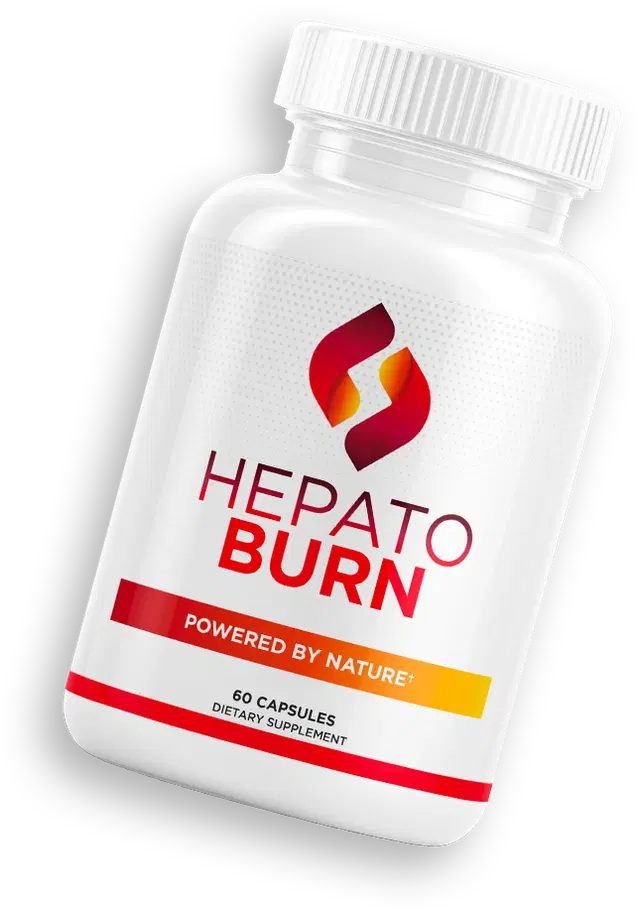
The liver plays an important role in the body’s normal metabolic and digestive processes. Because of this, liver wellness has become an area of interest for people looking for ways to support overall health, energy, digestion, and healthy weight management. HepatoBurn is a dietary supplement marketed around this concept, combining several plant-derived compounds and nutrients in a formula intended to support liver function and metabolic wellness.
HepatoBurn is presented as a plant-based supplement for adults in the USA who want nutritional support for liver health, metabolism, digestion, energy, and weight management. The product’s marketing emphasizes the relationship between liver function and the body’s ability to process fats and nutrients.
According to the supplied product information, HepatoBurn uses two proprietary concepts called the Liver Purification Complex and Liver Fat-Burning Complex. The formula includes eight listed ingredients: Resveratrol, Camellia Sinensis, Genistein, Chlorogenic Acid, Choline, Silymarin, Betaine, and Berberine.
The manufacturer promotes the formula as a non-stimulant approach to supporting metabolic wellness. The website also describes the product as non-GMO and gluten-free and says it is manufactured in the USA in an FDA-registered, GMP-certified facility.
At the same time, the source contains strong claims about detoxification, fat burning, appetite control, and weight loss that should be viewed as product marketing claims rather than guaranteed medical outcomes. The testimonials on the website are individual experiences and do not establish that every customer will experience the same results.
This detailed HepatoBurn review looks at what the supplied material says about the product, its proposed mechanism, ingredients, potential benefits, safety considerations, customer experiences, and the 60-day guarantee.
What Is HepatoBurn?
HepatoBurn is marketed as a dietary supplement designed to support liver health and healthy weight management. Its formulation is based on the idea that supporting the liver may also support the body’s normal metabolism, digestion, energy production, and processing of fats.
The product is aimed particularly at people who are concerned about issues such as low energy, stubborn body fat, cravings, bloating, or a slower-feeling metabolism. Rather than focusing exclusively on appetite suppression, the source presents HepatoBurn as a liver-centered approach to metabolic wellness.
According to the supplied information, the formula combines botanical compounds, antioxidants, and nutrients selected for their potential relationship with liver and metabolic function.
The product website describes HepatoBurn as being made in the United States, non-GMO, and gluten-free. It also states that the supplement is manufactured in an FDA-registered, GMP-certified facility.
It is important to understand that an FDA-registered facility is not the same thing as an FDA-approved dietary supplement. The supplied material does not establish that HepatoBurn itself has been approved by the FDA.
How Does HepatoBurn Work?
The central idea behind HepatoBurn is to support the liver’s normal functions and metabolic processes.
The source describes the liver as an important organ involved in processing fats, removing waste products, and converting nutrients into usable energy. Based on that positioning, HepatoBurn is marketed as a supplement intended to support these processes through its combination of natural ingredients.
The formula is organized around two concepts: a Liver Purification Complex and a Liver Fat-Burning Complex.
Supporting Liver Function
The product is marketed as helping the liver carry out its normal functions efficiently. Several of its ingredients, including silymarin, choline, betaine, and resveratrol, are presented as supporting liver wellness.
The goal is to provide nutritional support rather than directly treating a liver disease.
Supporting Fat Metabolism
HepatoBurn is also marketed around fat metabolism. The source suggests that supporting liver function may help the body process fats more effectively.
However, the presence of ingredients associated with metabolism does not guarantee a specific rate of fat loss. Weight changes depend on many factors, including nutrition, physical activity, sleep, individual physiology, and health conditions.
Supporting Digestion
The product material also connects liver wellness with digestion. It suggests that better liver function may support processes involved in digestion and nutrient handling.
HepatoBurn is therefore positioned as a broader wellness formula rather than a product focused exclusively on body weight.
Supporting Energy
The source describes HepatoBurn as a non-stimulant approach to supporting energy. Instead of relying on caffeine or similar stimulants, its marketing focuses on supporting metabolic and liver-related processes.
People experiencing persistent fatigue should not assume that a supplement is the appropriate solution. Ongoing or unexplained low energy can have many causes and may warrant professional evaluation.
HepatoBurn Ingredients
The supplied material lists eight main ingredients in the HepatoBurn formula. Exact quantities for each ingredient are not provided, so it is not possible to determine the strength of the formulation from the ingredient names alone.
1. Resveratrol
Resveratrol is a naturally occurring compound associated with plants such as grapes and certain berries. In the HepatoBurn formula, it is presented as an antioxidant and metabolic-support ingredient.
The source connects resveratrol with supporting fat metabolism, circulation, and protection against oxidative stress.
Its inclusion is consistent with the supplement’s overall focus on liver and metabolic wellness. However, the product material does not provide the amount of resveratrol per serving or establish a specific clinical outcome for HepatoBurn.
2. Camellia Sinensis
Camellia sinensis is the botanical species used to produce tea, including green tea. HepatoBurn includes it as part of its metabolic-support formulation.
The supplied material emphasizes catechins such as EGCG and associates green tea extract with thermogenesis and fat oxidation.
The product source also describes green tea as providing antioxidant support. However, the exact concentration and standardization of the Camellia sinensis extract in HepatoBurn are not stated in the supplied content.
3. Genistein
Genistein is a naturally occurring isoflavone associated with soy. The product material describes it as an ingredient related to hormonal balance and metabolic support.
Within HepatoBurn, genistein is marketed as helping support healthy fat metabolism and limiting processes associated with fat accumulation.
The source also connects this ingredient with inflammation and energy-related processes.
As with the other ingredients, the supplied material does not state the exact amount included in each serving.
4. Chlorogenic Acid
Chlorogenic acid is another plant-derived compound included in HepatoBurn.
The product information associates chlorogenic acid with metabolic and weight-management support. It is presented as part of the formula’s broader strategy of supporting healthy fat processing and energy use.
Because no dosage information is supplied, the ingredient’s presence should not be interpreted as proof that the product contains an amount demonstrated to produce a particular result.
5. Choline
Choline is an essential nutrient involved in several normal physiological processes. HepatoBurn includes choline as part of its liver-focused formula.
The supplied source particularly emphasizes its relationship with liver function and the movement and processing of fats.
Choline is also associated with normal brain function, which explains why the product material mentions mental clarity and focus.
People already taking multivitamins or other supplements should consider their total choline intake rather than assuming that adding another product is automatically appropriate.
6. Silymarin
Silymarin is a group of compounds associated with milk thistle and is widely used in products focused on liver wellness.
In HepatoBurn, it is marketed as supporting the liver’s natural protective processes and healthy function. The source also connects silymarin with bile production and digestion.
The website describes it using terms such as detoxification and liver-cell support. These descriptions represent the product’s intended positioning and should not be interpreted as proof that HepatoBurn can repair or treat liver disease.
7. Betaine
Betaine is included in HepatoBurn as another ingredient associated with liver and metabolic support.
The supplied material describes betaine as supporting normal homocysteine metabolism and liver function. It also connects the ingredient with digestion and nutrient absorption.
This makes betaine consistent with HepatoBurn’s broader emphasis on both liver and metabolic wellness.
8. Berberine
Berberine is a plant-derived compound frequently included in nutritional products focused on metabolic health.
According to the supplied material, HepatoBurn uses berberine to support healthy blood sugar regulation, metabolism, gut health, and weight management.
Because berberine can be relevant to blood glucose and may interact with certain medications, people using medication or managing a medical condition should discuss its use with a qualified healthcare professional.
Potential Benefits of HepatoBurn
The supplied website highlights several potential benefits associated with HepatoBurn. These should be understood as product claims rather than guaranteed outcomes.
Supports Liver Wellness
Liver support is the central theme of the product. The formula combines ingredients marketed around antioxidant, nutritional, and liver-function support.
Supports Healthy Fat Metabolism
HepatoBurn is promoted as helping the body process fats more efficiently. The product’s weight-management positioning is closely tied to this proposed metabolic role.
Supports Energy
The source describes the supplement as supporting natural energy without relying on stimulants. This may appeal to people who want metabolic support without a conventional stimulant-focused formula.
Supports Digestive Wellness
HepatoBurn is marketed as supporting digestion and helping reduce feelings of bloating. The product connects liver function with the body’s digestive processes.
Supports Appetite and Craving Management
The supplied material says the formula may help support appetite control and reduce cravings through its proposed effects on metabolism and hunger-related processes.
Individual responses to appetite-related supplements can vary considerably.
Provides Antioxidant Support
Several ingredients in the formula are associated with antioxidant activity. The product positions this as support against oxidative stress and general cellular wellness.
Supports Metabolic Health
Berberine, resveratrol, green tea extract, and other components are presented as supporting various aspects of metabolic wellness.
However, consumers should not interpret this as a treatment for diabetes, high cholesterol, fatty liver disease, or another medical condition.
Supports Overall Wellness
By combining liver, digestion, metabolism, and energy-related claims, HepatoBurn is marketed as a comprehensive wellness supplement rather than a single-purpose product.
HepatoBurn and Weight Management
Weight management is one of the most prominent themes in the HepatoBurn marketing.
The product’s approach focuses on the liver and its role in processing nutrients and fats. The source suggests that improving liver function can support more efficient fat metabolism.
However, sustainable weight management is influenced by many factors. A supplement cannot replace appropriate nutrition, physical activity, adequate sleep, and other healthy habits.
The testimonials on the website report substantial weight changes, including claims of losing 42 pounds and 22 pounds. These are individual customer statements and should not be interpreted as typical or guaranteed results.
People considering HepatoBurn should therefore maintain realistic expectations and evaluate the product based on its actual formulation and their individual circumstances rather than relying solely on testimonials.
HepatoBurn Reviews
The supplied website features three testimonials.
Laura K., age 55, reports losing 42 pounds and experiencing improved energy and reduced cravings. She also mentions positive health measurements reported by her doctor.
Sarah R., age 44, describes improved digestion, better energy, and changes in clothing fit after several weeks of use.
Bethany P., age 49, reports losing 22 pounds over two months and says she experienced fewer cravings without feeling shaky or tired.
These accounts describe individual experiences. They may help readers understand how the product is presented by its marketers, but testimonials cannot establish that HepatoBurn caused the reported outcomes or that other users will achieve similar results.
There is also no clinical study included in the supplied material demonstrating that the product produces a specific amount of weight loss.
Is HepatoBurn Safe?
The source presents HepatoBurn as a natural, plant-based supplement and describes it as non-GMO and gluten-free. However, “natural” does not automatically mean risk-free.
The formula includes ingredients such as berberine, green tea extract, choline, and other compounds that may not be appropriate for every person.
Anyone who takes prescription medications, manages a chronic health condition, is pregnant or breastfeeding, or has allergies should consult a qualified healthcare professional before using HepatoBurn.
The source itself specifically recommends discussing new supplements with a doctor because some weight-loss products can potentially affect liver health.
This point is particularly relevant because HepatoBurn is marketed specifically around liver wellness. People with diagnosed liver disease should not use a supplement as a substitute for medical treatment or monitoring.
HepatoBurn Manufacturing and Quality Information
According to the supplied material, HepatoBurn is:
- Made in the USA
- Manufactured in an FDA-registered facility
- Produced according to GMP standards
- Non-GMO
- Gluten-free
- Marketed as plant-based
These statements describe the product’s manufacturing and marketing claims. An FDA-registered facility does not mean that the finished dietary supplement has been approved by the FDA.
Consumers should also distinguish between manufacturing standards and evidence of effectiveness. GMP practices relate to manufacturing quality and consistency; they do not by themselves establish that a supplement will produce a particular health outcome.
HepatoBurn 60-Day Money-Back Guarantee
The supplied website advertises a 60-day money-back guarantee.
According to the provided information, customers who are dissatisfied within the first 60 days can contact the support team and request a refund. The source says customers may return the product, including empty bottles, and receive their money back after the returned products are received.
The website states that refunds are generally processed within 48 hours after receipt, with shipping and handling excluded.
Consumers should review the current refund terms at the time of purchase because policies can change.
HepatoBurn and ClickBank
The supplied website states that ClickBank is the retailer of the products offered through the site.
The source also explicitly says that ClickBank’s role as retailer does not mean that it endorses, approves, or reviews the products or the claims made about them.
For international customers outside the United States, the website notes that additional shipping fees may apply.
Who Might Consider HepatoBurn?
Based on the supplied product positioning, HepatoBurn may interest adults who are looking for a supplement focused on:
- Liver wellness
- Metabolic support
- Healthy weight management
- Digestive support
- Everyday energy
- Antioxidant support
- Appetite and craving management
This does not mean that HepatoBurn is appropriate for everyone. Individual health conditions, medication use, dietary needs, and personal goals should be considered before beginning supplementation.
Frequently Asked Questions About HepatoBurn
What is HepatoBurn?
HepatoBurn is a dietary supplement marketed around liver health, metabolism, digestion, energy, and healthy weight management. The supplied formula contains eight listed ingredients, including resveratrol, Camellia sinensis, genistein, chlorogenic acid, choline, silymarin, betaine, and berberine.
How does HepatoBurn work?
According to the product source, HepatoBurn is designed to support liver function and the body’s natural fat-processing and metabolic processes. It uses two marketed blends called the Liver Purification Complex and Liver Fat-Burning Complex.
What are the ingredients in HepatoBurn?
The supplied source lists Resveratrol, Camellia Sinensis, Genistein, Chlorogenic Acid, Choline, Silymarin, Betaine, and Berberine.
Can HepatoBurn help with weight management?
HepatoBurn is marketed for healthy weight management and support of fat metabolism. However, the supplied material does not establish a guaranteed amount of weight loss, and individual results can vary.
Is HepatoBurn safe?
The product is marketed as a natural supplement, but that does not mean it is appropriate for everyone. People with medical conditions, medication use, allergies, pregnancy, or breastfeeding should consult a healthcare professional before using it.
Does HepatoBurn contain stimulants?
The supplied website specifically markets HepatoBurn as a non-stimulant approach to metabolic support. The complete Supplement Facts panel should be checked for the most current formulation.
Is HepatoBurn FDA approved?
The supplied material states that HepatoBurn is manufactured in an FDA-registered facility. This should not be interpreted as FDA approval of the finished supplement.
Does HepatoBurn have a money-back guarantee?
Yes. The supplied website advertises a 60-day money-back guarantee. It states that customers can request a refund according to the applicable terms if they are dissatisfied.
Can people with liver problems take HepatoBurn?
People with diagnosed liver conditions should speak with their healthcare professional before taking any supplement. HepatoBurn should not be used as a substitute for medical diagnosis or treatment.
Is HepatoBurn available outside the USA?
The supplied website indicates that international orders are possible but notes that additional shipping charges may apply outside the United States.
Final Thoughts on HepatoBurn
HepatoBurn is positioned as a plant-based dietary supplement that takes a liver-centered approach to metabolic and weight-management support. Instead of focusing solely on appetite suppression, its marketing emphasizes the liver’s role in processing nutrients and fats and connects liver wellness with digestion, energy, and metabolism.
The formula listed in the supplied material contains Resveratrol, Camellia Sinensis, Genistein, Chlorogenic Acid, Choline, Silymarin, Betaine, and Berberine. These ingredients are presented as supporting different aspects of liver and metabolic wellness.
The product website also highlights customer testimonials reporting weight loss, improved energy, fewer cravings, and better digestion. These are personal experiences rather than clinical evidence, so they should not be interpreted as guaranteed outcomes.
HepatoBurn is described as non-GMO, gluten-free, made in the USA, and manufactured in an FDA-registered, GMP-certified facility. The distinction between facility registration and FDA approval remains important when evaluating these claims.
For anyone considering HepatoBurn, reviewing the complete product label, understanding the ingredients, checking the current purchase and refund terms, and considering individual health circumstances are sensible steps. People taking medications or managing liver, metabolic, or other health conditions should consult a qualified healthcare professional before beginning a new supplement.
Ultimately, HepatoBurn is marketed as one component of a broader wellness strategy. Its intended role is to provide nutritional support for liver function, metabolism, digestion, energy, and healthy weight management, while lifestyle factors remain important for long-term health.