
Indian IPTV: Bringing Indian Entertainment Closer to Families Living in the USA
Indian IPTV: Bringing Indian Entertainment Closer to Families Living in the USA
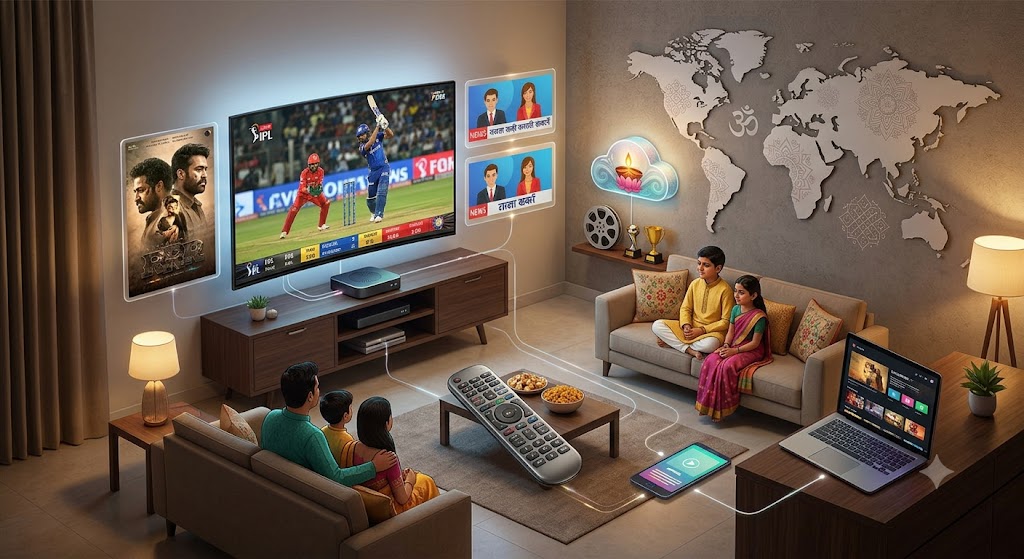 Moving to the United States can open the door to new opportunities, better education, and a different lifestyle. However, for many Indian families, living far from home also means missing familiar entertainment. A favourite Hindi television show, a Punjabi music programme, a regional movie, or the evening news from India can bring back memories and make everyday life feel more connected to home.
This is where Indian IPTV can become a useful entertainment option. It gives viewers a way to explore Indian television content through an internet connection rather than depending only on traditional television services. Families can enjoy familiar programmes, discover different types of entertainment, and create a viewing experience that suits their routines in the USA.
Choosing a television service, however, should involve more than looking at the number of channels. Streaming quality, content availability, device compatibility, customer support, and subscription terms all matter. Understanding these points can help families make a sensible decision.
1. Staying Connected to Indian Culture Through Everyday Entertainment
Entertainment is often connected to personal memories. A family that has moved from India may miss watching the same television programmes they enjoyed at home. Parents might want to follow Indian news, grandparents may prefer regional serials, and children may enjoy music, films, or animated programmes from Indian entertainment.
Indian television offers content in many languages and styles. Hindi, Punjabi, Tamil, Telugu, Malayalam, Gujarati, Bengali, and other regional languages help viewers stay connected to their cultural backgrounds. Having access to familiar language-based entertainment can make television time more enjoyable for different members of a household.
For families living in the USA, this connection can be particularly meaningful during festivals and special occasions. Watching cultural programmes, musical performances, movie specials, and festival-related coverage can help families maintain traditions even when they are thousands of miles away from relatives.
An internet-based television service can make this content easier to explore, depending on the channels and programmes included in its package. Before subscribing, viewers should check whether their preferred languages and content categories are actually available. A carefully selected service can make everyday entertainment feel more familiar while allowing each family member to enjoy something different.
2. Finding Entertainment That Suits Different Generations
One household rarely has a single television preference. Different generations often enjoy different types of programmes, which can make choosing a television package challenging. Parents may prefer news, family dramas, and reality shows, while younger viewers may be interested in movies, music, sports, or regional entertainment.
A useful Indian IPTV subscription should be evaluated according to how well its content matches these different interests. Instead of focusing only on a large channel count, families should look at the actual categories offered. Are the preferred language channels included? Are there entertainment options for children? Can viewers find programmes that appeal to older family members?
It is also helpful to discuss viewing habits before selecting a package. One family member might watch television every evening, while another may only watch movies on weekends. Understanding these habits can prevent households from paying for content that nobody uses.
A balanced entertainment choice should provide variety without making the selection process confusing. Viewers can review the channel list, explore available categories, and ask the provider about any specific channels they want to watch.
When a service offers content that matches the interests of the household, television becomes a shared activity rather than a source of disagreement over what to watch.
3. Understanding How Internet-Based Television Works
Traditional cable and satellite television usually rely on specific delivery systems. Internet Protocol Television, commonly known as IPTV, delivers television content through an internet connection. This means viewers use a compatible device and an appropriate application or setup to access the service.
The basic process is straightforward. A subscriber chooses a suitable package, follows the provider’s installation instructions, and connects a compatible device to the internet. Depending on the service, viewing may be possible through supported smart televisions, streaming devices, smartphones, tablets, or computers.
However, compatibility should never be assumed. Not every IPTV service supports every device, operating system, or application. Before purchasing a subscription, check the provider’s current device requirements and installation guidance.
Internet performance also plays an important role. A weak Wi-Fi signal, an overloaded home network, or an unstable internet connection can affect playback. Families can improve their viewing experience by placing the router in a suitable location, reducing unnecessary network congestion, and using a wired connection when supported.
Understanding these basics helps customers know what they are purchasing. IPTV is not simply a replacement for a cable box; it is an internet-based viewing method that requires suitable equipment, a reliable connection, and a service that provides the content they want.
4. Checking Streaming Quality Before Choosing a Subscription
A long channel list may look attractive, but it does not automatically guarantee a good viewing experience. Streaming quality is one of the most important factors families should consider when comparing television services.
A programme should play smoothly, remain watchable during longer viewing sessions, and offer picture quality appropriate to the available connection and device. Actual performance can depend on several factors, including the provider’s infrastructure, internet speed, home network, device capabilities, and the time of day.
Before selecting an Indian IPTV package, families should review the provider’s information about streaming quality and supported video formats. They should also read the subscription conditions carefully. A free trial, when genuinely offered, can be useful for checking whether the service works well with the household’s internet connection and preferred device.
During any trial, test the types of content you normally watch. Try different channels, check how quickly programmes load, and observe whether playback remains stable. Testing only one channel for a few minutes may not provide enough information.
It is equally important to understand what the provider promises and what depends on your own internet connection. No service can guarantee uninterrupted streaming under every network condition. A realistic evaluation helps families avoid choosing a package based only on advertising claims.
5. Making Television More Convenient for Busy American Households
Family routines in the USA can be demanding. Parents may have work commitments, children may attend school and extracurricular activities, and weekends are often filled with shopping, social visits, and household responsibilities. Because of these schedules, entertainment needs to fit naturally into available free time.
Internet-based television can offer flexibility when the service supports the devices and viewing arrangements a family prefers. Someone might enjoy a programme on a television in the evening, while another family member may prefer using a supported mobile device when travelling or relaxing in another room.
However, customers should check the provider’s rules before assuming that one subscription allows unlimited devices or simultaneous streams. Some packages may have restrictions on the number of connections, supported devices, or permitted locations.
Families should also consider how simple the service is to operate. Clear installation instructions, an understandable channel guide, and responsive customer assistance can make a noticeable difference, especially for people who are not comfortable with technical settings.
Convenience is not only about watching television anywhere. It is also about spending less time troubleshooting and more time enjoying the content. A service that fits the household’s actual routine can be more valuable than one that offers features the family rarely uses.
6. What Families Should Check Before Buying Indian IPTV
A little research before subscribing can prevent disappointment later. Television packages may look similar in advertisements, but their content, conditions, and support arrangements can differ significantly.
Start by checking the channel list. Make sure the package includes the languages and categories that matter to your household. If you mainly watch Punjabi entertainment, for example, confirm the availability of the specific Punjabi channels you prefer rather than relying on a general claim about Indian content.
Next, review the subscription price and renewal conditions. Understand the package duration, payment arrangements, cancellation policy, and whether additional charges may apply. If a provider advertises a special offer, check how long that price remains valid.
Device compatibility is another important consideration. Confirm that your television or streaming device is supported and that the provider supplies clear setup instructions. Ask about customer support availability and the process for reporting technical problems.
It is also sensible to check whether the provider has the appropriate rights and authorization to distribute the television content it offers. A legitimate service should be transparent about its business information, service terms, payment practices, and content arrangements.
Finally, avoid making a decision based entirely on claims such as unlimited entertainment or thousands of channels. Review the details, compare what is included, and choose a package based on genuine household requirements.
Conclusion
For Indian families living in the USA, IPTV Subscription television can be more than a way to pass the time. Familiar programmes, regional movies, cultural shows, and news can help maintain a connection with the language and traditions of home. An internet-based television option can make that entertainment easier to explore while giving households another way to organise their viewing preferences.
Choosing the right Indian IPTV service requires more than comparing channel numbers. Families should consider content availability, streaming performance, device compatibility, customer assistance, subscription conditions, and content authorization before making a purchase.
Before committing to a longer plan, check whether a genuine IPTV free trial is available. Testing the service on your own device and internet connection can help you understand whether it suits your family’s entertainment habits. The goal is simple: make television enjoyable, convenient, and suitable for the people watching it. With the right choice, families can bring more of the entertainment they love into their everyday lives in the United States.