
Instruments Set Care: How to Make Your Surgical Trays Last Longer
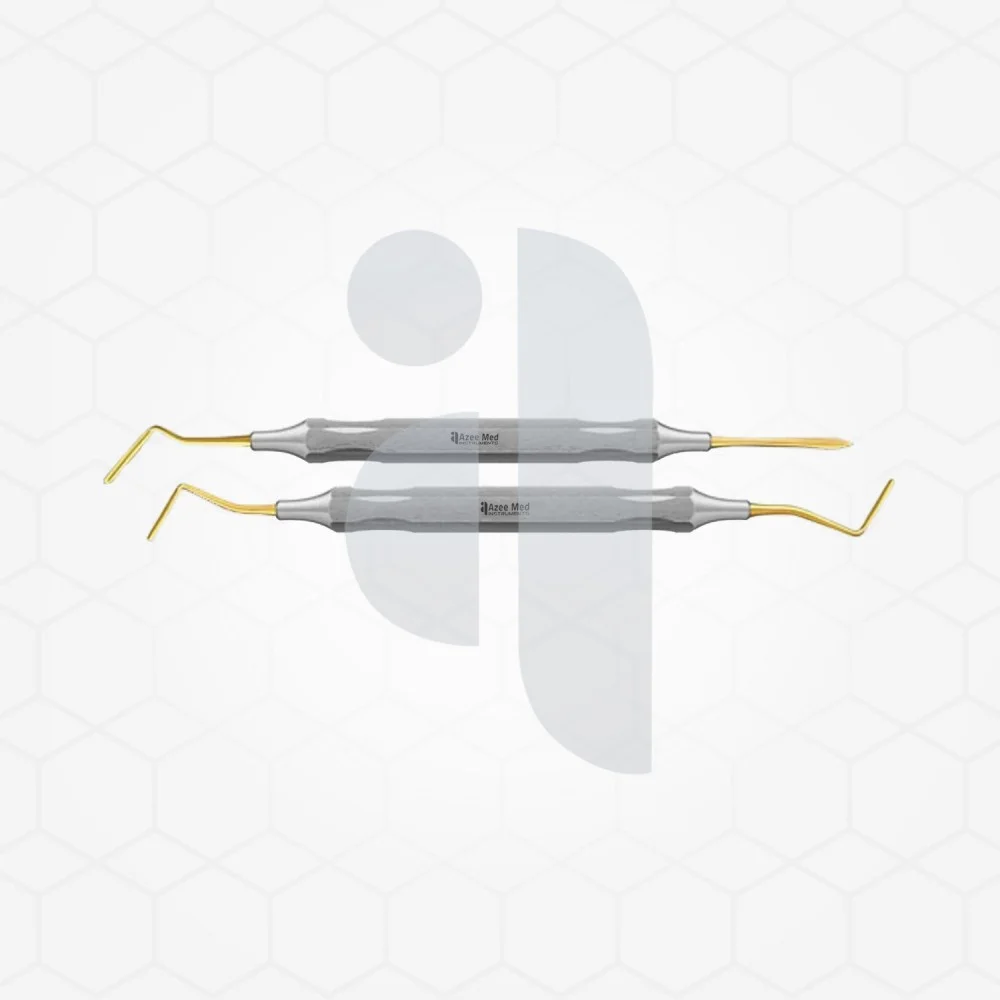
Good surgical instruments rarely fail all at once. They wear down slowly. A hinge gets stiff, a blade goes dull, a tip drifts out of line, and then a surgeon asks for a replacement in the middle of a case. That’s costly, and most of it can be prevented. The steel is usually fine. The damage happens between cases. A medical instruments set goes through cleaning, inspection, packing, and sterilization hundreds of times a year, and each step either protects it or wears it down.
Start Cleaning at the Point of Use
Blood and tissue dry fast. Dried debris is what causes pitting, staining, and corrosion, and it’s much harder to remove later. Have your team wipe instruments with a sponge dampened in sterile water during the procedure. After the case, keep them moist with an enzymatic spray or a damp towel until they reach reprocessing. Never soak them in saline, because the chloride attacks stainless steel. Open every hinged instrument before it leaves the room.
Use Gentle, Proven Cleaning Methods
Even a well-maintained instruments set wears over time.Wire brushes and steel wool feel thorough, but they scratch away the protective surface layer that keeps steel from rusting. Use soft nylon brushes and pH-neutral detergents instead. Ultrasonic cleaners are the most reliable way to clear box locks and serrations, since they reach spots your brushes can’t.
Inspect Every Piece Before It Goes Back
This step takes minutes, and it’s the one teams skip most often. Use magnification to check that tips align, ratchets hold, and scissors cut cleanly to the very end. Apply a water-soluble instrument lubricant to hinges before sterilization, never oil. Pull anything cracked, bent, or corroded right away. One faulty piece in an instruments set can delay an entire procedure. Check it before it ships back to the OR.
Pack and Sterilize With Care
Put heavy instruments on the bottom and delicate ones on top. Use tip protectors for fine microsurgical pieces. Don’t overload trays, because steam can’t reach crowded instruments and you’ll end up with wet packs. Follow the plastic surgical instrument set settings exactly, and let trays dry fully before storage.
Know When to Repair or Replace
Even a well-maintained instruments set wears over time. That’s normal. Scheduled sharpening and realignment from a qualified service provider can add years of use. When a piece is beyond repair, replace it with one that matches the rest of the tray in weight, finish, and feel. Mismatched replacements throw off your surgeons’ rhythm.
Begin With Instruments Built to Last
Good care only goes so far if the steel is poor. AzeeMed focuses on making surgical instruments of the highest quality for the medical community around the globe. With over two decades of experience, the company furnishes an array of instruments for plastic, dental, ophthalmic, neuro and spine, and orthopedic surgeries. Quality steel and careful craftsmanship give your care routine something worth protecting.
Conclusion
Your instruments set is only as reliable as the routine behind it. Clean at the point of use, choose gentle methods, inspect every piece, pack with care, and repair before damage spreads. Do these steps consistently and your trays will stay sharp, aligned, and ready for surgery. Review your reprocessing workflow this week, and talk to AzeeMed when it’s time to equip your next specialty.