
Lebanese Cuisine In Lebanon: How Traditional Recipes Preserve the Country’s Food Heritage
Introduction to Lebanese Cuisine In Lebanon and Its Food Heritage
Lebanese Cuisine In Lebanon represents a rich culinary heritage shaped by family traditions, regional ingredients, cultural influences, and generations of cooking knowledge. Traditional Lebanese recipes do more than bring delicious food to the table; they preserve memories, connect communities, and reflect the country’s identity.
From freshly prepared hummus and tabbouleh to traditional kibbeh, manakish, and homemade stews, Lebanese food highlights the importance of fresh ingredients and time-honoured preparation methods. Many recipes are passed from parents and grandparents to younger generations, ensuring that distinctive flavours and cooking techniques remain part of everyday life.
Exploring traditional Lebanese cuisine offers a deeper understanding of how food preserves cultural identity. Through family gatherings, festive meals, and local dining customs, Lebanon continues to celebrate its culinary heritage while allowing traditional recipes to evolve naturally.
How Traditional Lebanese Recipes Preserve Cultural Identity
Traditional recipes play an important role in preserving Lebanon’s cultural identity. Many dishes are associated with particular regions, family celebrations, and community traditions, making food an important connection between the past and the present.
Families often prepare familiar dishes using methods learned from older generations. The ingredients, seasoning, and preparation techniques may reflect personal family traditions, creating distinctive versions of well-known Lebanese favourites.
Dishes such as kibbeh, stuffed vine leaves, and traditional lentil preparations demonstrate how recipes can carry cultural meaning beyond their ingredients. Preparing these foods allows families to maintain connections with their heritage and share familiar flavours with younger generations.
Lebanese Cuisine In Lebanon therefore serves as an expression of cultural continuity. Every traditional meal provides an opportunity to preserve culinary knowledge, celebrate shared memories, and introduce new generations to the country’s food traditions.
The Role of Fresh Ingredients in Lebanese Culinary Heritage
Fresh ingredients are fundamental to traditional Lebanese cooking. Olive oil, parsley, mint, lemons, tomatoes, cucumbers, garlic, chickpeas, and bulgur appear in many classic recipes.
These ingredients reflect the importance of agriculture, seasonal produce, and local food traditions. Their natural flavours allow traditional dishes to remain fresh and balanced without relying on complicated preparation methods.
Olive oil is widely used in salads, dips, and cooked dishes, while herbs provide distinctive aromas and freshness. Chickpeas form the foundation of hummus and falafel, and bulgur is an essential ingredient in tabbouleh and many preparations of kibbeh.
Traditional cooks often understand how to balance these ingredients through experience rather than strict measurements alone. Preserving this knowledge helps maintain the characteristic flavours of Lebanese cuisine and demonstrates the relationship between local ingredients and cultural heritage.
Traditional Lebanese Mezze and the Culture of Sharing
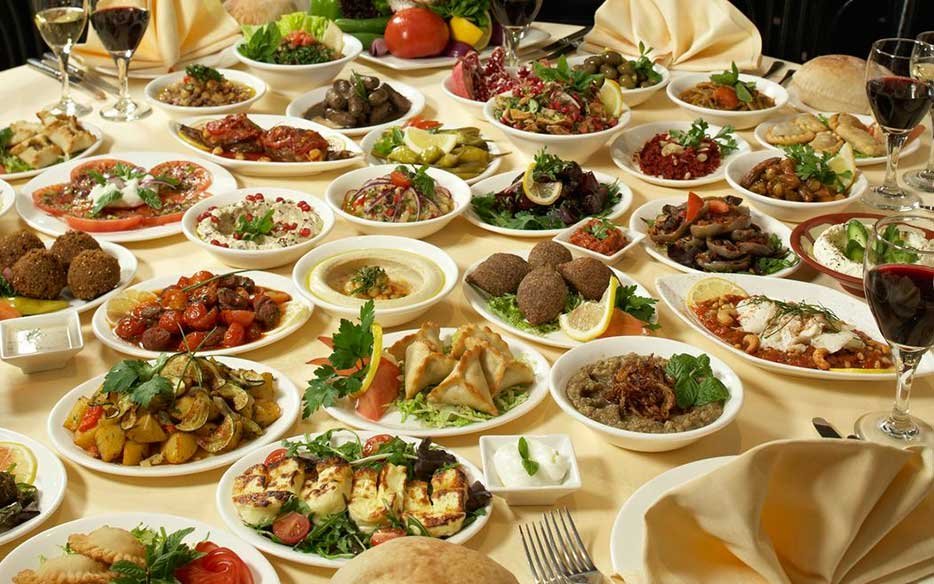
Mezze is one of the most recognisable elements of Lebanese food culture. It consists of small dishes served together, encouraging people to share food and enjoy conversation around the table.
Traditional mezze may include hummus, moutabal, tabbouleh, fattoush, labneh, falafel, and warak enab. Each dish contributes a different texture and flavour, creating a varied dining experience.
The tradition of sharing mezze reflects the importance of hospitality in Lebanese society. Meals are often social occasions where family members and friends gather, exchange stories, and strengthen relationships.
Preparing these dishes also helps preserve traditional culinary techniques. From roasting eggplants for moutabal to chopping herbs for tabbouleh, familiar preparation methods are repeated across generations.
Through these shared meals, Lebanese Cuisine In Lebanon maintains a strong connection between traditional food, family life, and community identity.
Family Traditions and the Passing Down of Recipes
Families are among the most important guardians of Lebanese culinary heritage. Traditional recipes are frequently taught through observation, practice, and participation in preparing everyday meals and special-occasion dishes.
Older family members may teach younger relatives how to season kibbeh, prepare stuffed vegetables, knead dough for manakish, or make traditional desserts. These lessons often include techniques that are difficult to capture in written instructions, such as recognising the right texture or adjusting seasoning by taste.
Family celebrations provide additional opportunities to preserve these skills. Preparing traditional dishes together strengthens relationships while ensuring that recipes remain familiar to younger generations.
Although modern lifestyles have changed how people cook, family recipes continue to provide a connection to cultural roots. Digital recipe collections and cooking videos can also help families document and share traditional knowledge.
Regional Diversity Within Lebanese Cuisine In Lebanon
Lebanese food traditions vary across coastal areas, cities, and mountain communities. Regional differences reflect local ingredients, agricultural practices, family customs, and historical influences.
Coastal communities may incorporate seafood into traditional meals, while mountain areas can offer distinctive vegetable dishes, stews, and recipes shaped by local produce. Different communities also prepare familiar dishes using variations in seasoning, texture, and cooking methods.
Kibbeh illustrates this diversity particularly well, with numerous regional and family variations. Stuffed vegetables, baked dishes, and traditional breads also differ according to local preferences.
Exploring these regional variations helps preserve the diversity of Lebanese culinary heritage. Rather than treating Lebanese food as a single collection of recipes, understanding its regional character reveals the many traditions that contribute to the country’s food identity.
Traditional Lebanese Bread, Desserts, and Festive Foods
Bread, desserts, and celebratory dishes are important parts of Lebanon’s culinary heritage. Their preparation often reflects family customs and occasions that bring communities together.
Manakish, a traditional flatbread commonly topped with za’atar or cheese, is a familiar part of Lebanese food culture. Pita bread is frequently served with mezze, grilled dishes, and dips.
Traditional sweets also preserve distinctive culinary techniques. Maamoul, often filled with dates or nuts, is associated with festive occasions, while baklava and knefeh showcase traditional pastry and dessert-making practices.
Preparing these foods for family gatherings and celebrations allows culinary knowledge to remain part of everyday cultural life. Their continued popularity demonstrates how traditional recipes can maintain their significance even as dining habits change.
How Modern Cooking Keeps Lebanese Food Traditions Alive
Traditional Lebanese cuisine continues to evolve as new generations adapt recipes to modern lifestyles. Restaurants, home cooks, culinary schools, and food creators all contribute to keeping these traditions relevant.
Some cooks preserve traditional preparation methods, while others introduce new presentations or adapt recipes to accommodate contemporary dietary preferences. These changes can help introduce Lebanese food to wider audiences without abandoning its cultural foundations.
Digital platforms also make traditional recipes more accessible. Families can document inherited cooking methods, share regional specialities, and teach younger generations how to prepare familiar dishes.
The key is to maintain an understanding of the history and techniques behind traditional foods. When innovation respects culinary origins, it can support the continued appreciation of Lebanese Cuisine In Lebanon while allowing its food heritage to develop.
Frequently Asked Questions
1. Why Is Lebanese Cuisine In Lebanon Important to the Country’s Heritage?
Lebanese cuisine preserves family traditions, regional identities, traditional cooking techniques, and cultural customs. Many recipes are passed between generations, helping communities maintain a connection with their history.
2. Which Traditional Lebanese Dishes Reflect the Country’s Food Heritage?
Popular examples include hummus, tabbouleh, kibbeh, manakish, warak enab, and traditional lentil dishes. Maamoul, baklava, and knefeh also reflect the country’s dessert-making traditions.
3. How Do Families Preserve Traditional Lebanese Recipes?
Families preserve recipes by cooking together, teaching preparation techniques, sharing knowledge during celebrations, and recording recipes for future generations. These practices help maintain familiar flavours and cultural connections.
4. What Ingredients Are Essential to Traditional Lebanese Cooking?
Common ingredients include olive oil, parsley, mint, lemon, garlic, tomatoes, chickpeas, bulgur, and seasonal vegetables. Their combination contributes to the distinctive flavours of many traditional Lebanese dishes.
5. Can Modern Cooking Help Preserve Lebanese Food Heritage?
Yes. Digital recipe collections, cooking videos, restaurants, and contemporary adaptations can introduce traditional dishes to new audiences. Preserving the origins and essential techniques of recipes helps maintain their cultural significance.
Conclusion
Lebanese Cuisine In Lebanon is an important expression of the country’s cultural identity, family traditions, and regional diversity. Traditional recipes preserve more than distinctive flavours; they carry generations of culinary knowledge, reflect local ingredients, and bring communities together through shared meals.
From mezze and homemade dishes to traditional breads and festive desserts, every recipe contributes to Lebanon’s food heritage. Families, restaurants, and modern food creators all have a role in keeping these traditions alive. By learning traditional cooking methods, exploring regional specialities, and sharing recipes with future generations, Lebanese communities can continue celebrating their culinary heritage while allowing it to evolve naturally.