
Metal Corner Trim for Walls: The Complete Guide to Protection and Style
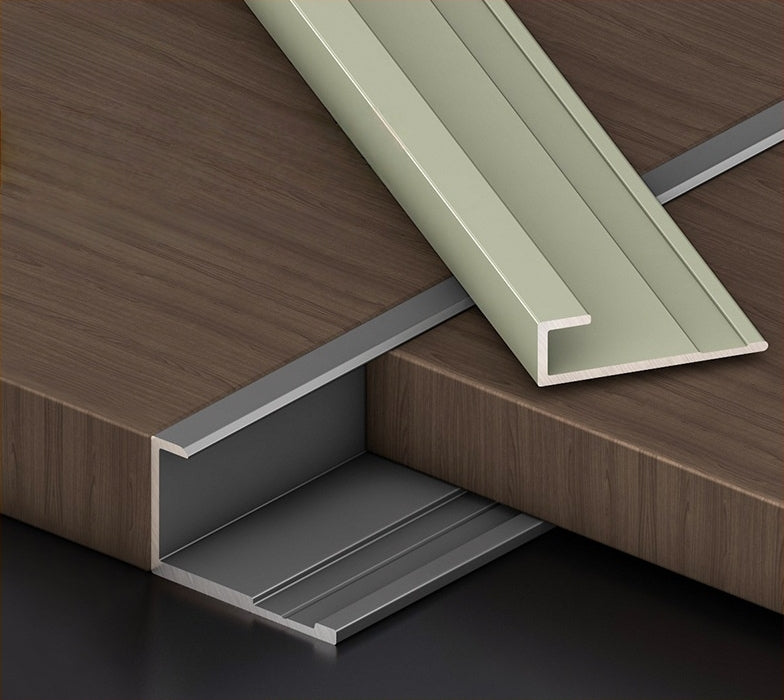
Interior finishing often hinges on the smallest architectural details, and wall edges are among the most vulnerable areas in any building. Installing metal corner trim for walls provides a sleek, durable barrier that protects drywall, plaster, and tile from everyday impacts, chipping, and wear. Beyond simple reinforcement, these profiles bring crisp, modern lines to both residential and commercial spaces, seamlessly bridging the gap between rugged functionality and contemporary design.
Enhancing Structural Durability in High-Traffic Areas
Drywall and plaster corners are notorious for taking the brunt of accidental bumps from furniture, vacuum cleaners, and heavy foot traffic. Without proper reinforcement, these ninety-degree angles quickly dent, crumble, and lose their sharp aesthetic appeal, leading to costly and repetitive patching jobs. Incorporating metal corner trim for walls into your construction or renovation project absorbs these physical impacts before they can damage the underlying substrate. Materials like anodized aluminum, stainless steel, and brass resist corrosion, moisture, and bending, ensuring that hallways, entryways, and commercial corridors maintain their pristine structure for decades.
Elevating Modern Interior Aesthetics
While traditional vinyl or paper-faced corner beads blend invisibly beneath layers of joint compound and paint, exposed metal trims intentionally highlight architectural geometry. Choosing metal corner trim for walls introduces a clean, deliberate metallic accent that complements industrial, minimalist, and luxury interiors alike. Available in versatile finishes ranging from brushed nickel and matte black to polished chrome and warm champagne bronze, these profiles can either match existing room hardware or create a striking visual contrast against painted drywall, natural stone, and ceramic wall tiles.
Selecting the Right Material and Profile Shape
Every renovation project demands specific performance characteristics depending on the environment and surrounding wall coverings. When selecting metal corner trim for walls, stainless steel stands out as the premier choice for moisture-prone zones like bathrooms, commercial kitchens, and hospitals due to its superior rust resistance and hygienic surface. Anodized aluminum offers a lightweight, cost-effective solution for standard living spaces and offices, while solid brass adds timeless warmth to upscale residential designs. Profile shapes also vary significantly, allowing builders to choose between sharp square edges, subtle rounded bullnose contours, or L-shaped angles tailored to exact wall and tile thicknesses.
Streamlining Installation for a Flawless Finish
Achieving a straight, professional edge requires careful preparation and proper anchoring during the drywall or tiling phase. Installing metal corner trim for walls typically involves embedding the perforated anchoring flange directly into thin-set mortar, joint compound, or construction adhesive, ensuring the exposed metal edge sits flush with the finished wall surface. Precise miter cuts at forty-five-degree angles are essential where vertical and horizontal trims meet, preventing sharp burrs and creating seamless transitions around windows, alcoves, and wall niches. With accurate measurement and firm adhesion, these trims lock securely into place for a crisp, lasting finish.