
Skin Tag Removal In UK: How Is the Appropriate Removal Method Selected?
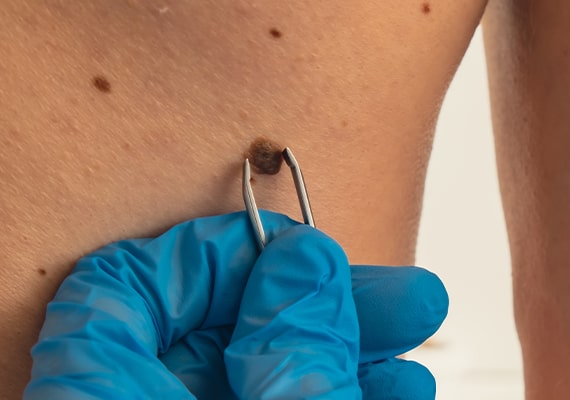
Skin tags are common skin growths that can appear on different parts of the body. Although they are often small, their location, size, appearance and interaction with clothing or everyday activities can lead some people to seek professional assessment and removal. Choosing an appropriate removal method is not simply a matter of selecting the quickest option. A clinician first needs to assess the skin tag and consider several individual factors.
For people considering Skin Tag Removal In UK, the selection process usually begins with a clinical assessment. The clinician can examine the skin tag, understand the patient’s concerns and determine which removal approach may be appropriate for the particular growth.
At Well Life Clinic, an assessment can provide an opportunity to discuss the appearance and location of a skin tag, previous treatments and the patient’s expectations. Understanding how the removal method is selected can help patients feel more prepared for their consultation and make informed decisions about their care.
Why Is an Assessment Needed Before Skin Tag Removal?
Every skin tag is not identical. They can vary in size, shape, position and attachment to the surrounding skin. These differences can influence which removal technique is considered appropriate.
During an assessment, the clinician examines the skin tag and considers its characteristics. The patient’s medical history and the reason for wanting the skin tag removed may also be discussed.
An assessment is particularly important because the clinician needs to confirm that the growth is suitable for removal as a skin tag before discussing a procedure. If the appearance is unusual or the diagnosis is uncertain, additional evaluation may be appropriate.
What Factors Influence the Choice of Removal Method?
Several factors can contribute to the selection of a removal method. The clinician may consider the size of the skin tag, its shape, location and attachment to the skin.
The number of skin tags may also be relevant. Removing one small growth may involve a different approach from treating several growths during the same appointment.
The patient’s preferences can also form part of the discussion. Some patients may be primarily concerned about a visible skin tag, while others may want to address one that repeatedly catches on clothing or jewellery.
The final approach is therefore based on an individual assessment rather than a standard method applied to every patient.
How Does the Size of a Skin Tag Affect Treatment Selection?
Size is one of the characteristics that may influence treatment planning. Small skin tags can sometimes be addressed using relatively straightforward removal techniques, while larger growths may require a different approach.
During the consultation, the clinician can assess the dimensions of the skin tag and how it is connected to the surrounding skin. This information helps determine which technique may provide the most suitable approach.
Patients should avoid assuming that a particular size automatically means that one specific procedure will be used. The clinician considers size alongside other characteristics before recommending an approach.
Does the Location of the Skin Tag Matter?
Yes. Location can be an important consideration when selecting a removal method. Skin tags can develop around the neck, underarms, eyelids, groin and other areas where the skin may experience movement or friction.
A skin tag in a sensitive or highly visible area may require particularly careful treatment planning. The clinician can assess the surrounding skin and consider how the location affects access to the growth.
For example, a skin tag that frequently catches against clothing may be discussed differently from one that is primarily a cosmetic concern.
How Is the Attachment of the Skin Tag Considered?
Skin tags can have different forms of attachment to the skin. Some appear to hang from a narrow base, while others may have a broader connection.
The clinician can examine the base and overall structure of the growth during the consultation. This helps determine which removal technique may be practical.
Understanding how the skin tag is attached is an important part of selecting an appropriate method because the clinician needs to consider both the visible growth and the point where it connects to the surrounding skin.
What Removal Methods May Be Considered?
Depending on the assessment, different techniques may be considered for skin tag removal. These can include methods that physically remove the growth or techniques designed to separate it from the skin.
The exact approach depends on the characteristics of the individual skin tag and the clinician’s assessment.
Patients should not assume that the most commonly discussed method is necessarily the appropriate one for them. A professional consultation allows the clinician to explain which options may be suitable and why.
How Does the Number of Skin Tags Affect the Decision?
The number of skin tags can also influence treatment planning. A patient may have a single growth that they want assessed, while another person may have multiple skin tags in different locations.
When several skin tags are present, the clinician may assess each one individually. Their size, location and appearance may not be identical, meaning that the same approach may not necessarily be appropriate for every growth.
The consultation can therefore help establish whether multiple areas can be addressed as part of one treatment plan or whether separate appointments may be appropriate.
How Are Patient Preferences Considered?
Patient preferences are an important part of treatment discussions. Some people may seek removal because a skin tag affects their appearance, while others may be concerned about irritation from clothing, accessories or regular movement.
During the consultation, patients can explain why they are considering removal and what they hope to achieve.
A clinician can then discuss the available approach in the context of these priorities. This shared discussion helps ensure that the treatment plan reflects the patient’s individual circumstances.
Does Medical History Affect Skin Tag Removal Planning?
Medical history can be relevant when planning any clinical procedure. During an assessment, the clinician may ask about existing medical conditions, previous procedures and medications.
Patients should provide accurate information about their current healthcare circumstances. This gives the clinician a more complete understanding of the individual before recommending a treatment approach.
Relevant information may include previous skin procedures, treatments involving the same area and any other details that the clinician considers important.
Why Is Professional Assessment Important?
A professional assessment provides an opportunity to confirm that the growth is appropriate for skin tag removal and to identify the most suitable treatment approach.
Self-removal methods may not take into account the specific characteristics of the growth. A clinical assessment, by contrast, allows the clinician to examine the area and discuss an appropriate procedure.
For patients seeking Skin Tag Removal In UK, a consultation also provides an opportunity to ask questions about the treatment process and understand what happens before, during and after removal.
How Is the Treatment Plan Explained?
Once the clinician has assessed the skin tag, the proposed treatment approach can be explained to the patient. This may include information about the selected technique, how the area will be prepared and what the appointment involves.
The clinician can also explain the expected follow-up process and any relevant wound-care instructions.
Patients can ask questions at this stage and clarify anything they do not understand. Having a clear explanation of the treatment plan can make it easier for patients to decide how they wish to proceed.
What Role Does Wound Care Play After Removal?
Skin tag removal may result in a small treated area that requires appropriate aftercare. The type of wound care needed can depend on the removal technique and the location of the treated area.
This is where Stitches And Wound Care In UK may become relevant for patients who require specific wound management following a procedure. The clinician can explain how to care for the treated area and whether a follow-up appointment is required.
Patients should follow the individual aftercare instructions provided by their healthcare professional rather than relying on general advice.
Is Lump Removal Similar to Skin Tag Removal?
Not necessarily. Although patients may sometimes describe different skin growths as lumps, Lump Removal In UK a lump can have a different cause and structure from a typical skin tag.
This is why professional assessment is important. If a patient is seeking Lump Removal In UK, the clinician may first need to examine the growth and determine what it is before discussing an appropriate treatment approach.
The removal method depends on the nature and characteristics of the growth. A clinical assessment provides the foundation for deciding what should happen next.
What Should Patients Discuss During the Consultation?
Patients can make their consultation more useful by explaining their main concerns clearly. Important topics may include:
- When the skin tag first appeared.
- Whether it has changed in size or appearance.
- Where it is located.
- Whether it regularly catches on clothing or jewellery.
- Whether the patient has previously attempted treatment.
- Whether there are other skin tags that they would like assessed.
- What the patient hopes to achieve through removal.
Providing this information allows the clinician to understand the reason for the appointment and consider the most appropriate approach.
What Should Patients Expect During the Selection Process?
Patients can generally expect the selection process to involve discussion and examination rather than an automatic choice of treatment. The clinician first needs to understand the skin tag and the patient’s circumstances.
The growth can then be assessed according to its size, location, shape and attachment. Medical history and patient preferences may also be considered.
After this assessment, the clinician can explain the appropriate options and discuss the proposed treatment plan. This gives patients an opportunity to understand why a particular approach has been recommended.
Conclusion
Selecting an appropriate method for Skin Tag Removal In UK involves more than simply identifying a technique. A clinician considers the size, location, shape and attachment of the skin tag, along with the patient’s medical history, concerns and expectations.
A professional assessment also helps distinguish a typical skin tag from other types of skin growths. This is particularly relevant for people considering Lump Removal In UK, as different growths may require different approaches.
Following removal, appropriate Stitches And Wound Care In UK may also form part of the overall treatment and follow-up process where required. At Well Life Clinic, discussing the concern during an initial consultation allows patients to understand the available approach and make an informed decision about their care.
FAQs
How is the appropriate method for skin tag removal selected?
The clinician considers factors such as the size, location, shape and attachment of the skin tag. Medical history and the patient’s preferences may also be taken into account.
Do all skin tags require the same removal method?
No. Skin tags can vary in size, location and structure, so the appropriate method may differ between patients and even between individual skin tags on the same person.
Why do I need an assessment before skin tag removal?
An assessment allows the clinician to examine the growth, confirm that it is suitable for removal and determine which approach may be appropriate.
Does the location of a skin tag affect the removal method?
Yes. The location can influence access to the growth and the way treatment is planned. Skin tags in areas such as the neck, underarms or around the eyelids may require individual consideration.
Can several skin tags be assessed during one appointment?
Several skin tags may be assessed during a consultation. The clinician can examine each growth and discuss whether they can be addressed as part of the same treatment plan.
What should I tell the clinician during a skin tag consultation?
You should explain when the skin tag appeared, whether it has changed, where it is located and why you want it removed. Details of previous treatments and relevant medical information should also be shared.
Is skin tag removal the same as lump removal?
No. A lump may have a different structure or cause from a skin tag. An assessment is therefore important to determine what type of growth is present before treatment is considered.
What is involved in wound care after skin tag removal?
Wound care depends on the technique used and the location of the treated area. The clinician can provide specific instructions for caring for the area following treatment.
Can patient preferences influence the treatment plan?
Yes. Patients can explain their concerns and desired outcome during the consultation. The clinician can consider these preferences alongside the clinical characteristics of the skin tag.
Can a private clinic assess a skin tag before removal?
Yes. A private skin surgery consultation can provide an opportunity for the clinician to assess the growth, discuss the patient’s concerns and explain the appropriate treatment approach.
What if I am unsure whether a growth is a skin tag or a lump?
A professional assessment is the appropriate starting point. The clinician can examine the growth and determine whether it appears to be a skin tag or another type of skin lesion before discussing treatment.
Will follow-up care be discussed before skin tag removal?
Yes. The clinician can explain what to expect after the procedure, including any wound-care requirements and whether a follow-up appointment may be needed.