
What Homeowners Should Know About Chimney Flashing Damage
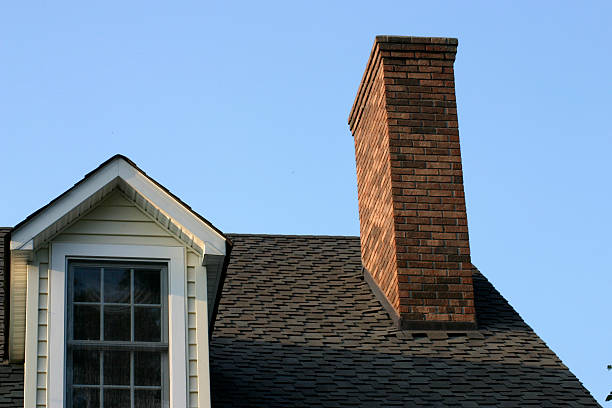
Chimney flashing is an important part of your roof’s protection against water. It seals the area where the chimney meets the roof and helps stop rain and melting snow from entering your home. When the flashing becomes loose, cracked, or worn, water can find its way into the roof and cause damage over time.
Many homeowners do not notice flashing problems until they see water stains or damp areas inside the house. Understanding the warning signs can help you address the issue before it becomes a bigger repair.
What Is Chimney Flashing?
Chimney flashing is usually made from metal and installed around the base of the chimney where it passes through the roof. It creates a seal between the roof surface and the chimney masonry.
Properly installed flashing helps direct water away from this joint. However, exposure to rain, snow, wind, and seasonal temperature changes can cause the material or its seal to deteriorate.
Common Signs of Chimney Flashing Damage
Chimney flashing problems can appear in different ways. Knowing what to look for can help homeowners identify a possible leak.
1. Water Stains on Ceilings or Walls
Brown or yellow stains near the chimney or on the ceiling may indicate water entering through the roof. Damp patches can also appear around the fireplace or on nearby walls.
Although damaged flashing is one possible cause, water can also enter through cracks in the chimney crown, damaged shingles, or other openings. A proper inspection can help identify the source.
2. Loose or Rusted Metal Flashing
Flashing can become loose, bent, or corroded over time. Strong winds and ongoing exposure to moisture may weaken its condition. If the metal no longer sits properly against the roof and chimney, water may pass through the gaps.
Visible rust, lifted edges, or separated sections are signs that the flashing should be checked.
3. Cracked Sealant Around the Chimney
Sealant is sometimes used around flashing joints to help prevent water from entering. Over time, it may dry out, crack, or separate from the surrounding surface.
Adding new sealant without checking the underlying flashing may only provide a temporary fix. The damaged area should be inspected to determine the right repair.
4. Dampness in the Attic
If water enters around the chimney, you may notice damp insulation, wet roof decking, or moisture near the chimney opening in the attic. Continued moisture can damage wood and encourage mold growth.
Check the area carefully, but avoid climbing onto the roof yourself if you are not equipped to do so safely.
What Causes Chimney Flashing Damage?
Several factors can affect chimney flashing over time.
- Weather exposure: Rain, snow, wind, and temperature changes can wear down flashing and its seals.
- Poor installation: Incorrectly fitted flashing may leave gaps where water can enter.
- Aging materials: Metal and sealant can deteriorate after years of exposure.
- Roof movement: Natural movement in roofing materials can affect the seal around the chimney.
- Lack of maintenance: Small gaps or loose sections may go unnoticed until water damage develops.
Identifying the cause is important because repairing the visible area alone may not stop the leak.
How to Identify a Chimney Leak
Not every chimney leak comes from damaged flashing. Water may also enter through cracked masonry, a damaged chimney crown, missing shingles, or a faulty chimney cap.
Start by looking for water stains, damp areas, peeling paint, and visible damage around the chimney. Note when the leak appears, such as after heavy rain or snowmelt. This information can help a professional narrow down the possible cause.
For more guidance, read this article on how to identify a chimney leak. It can help homeowners understand the signs of a leak and why finding its source matters.
How Is Chimney Flashing Repaired?
The correct repair depends on the condition of the flashing and the surrounding roof.
Repairing Loose Flashing
If the flashing has come loose but remains in good condition, a professional may be able to secure it and restore the seal. The surrounding materials should also be checked for damage.
Replacing Damaged Flashing
Flashing that is badly rusted, bent, or damaged may need replacement. Proper installation helps create a secure connection between the roof and chimney.
Fixing Related Roof or Masonry Damage
Sometimes, the leak is linked to damaged shingles, cracked mortar, or other chimney issues. These problems may need to be repaired along with the flashing to help prevent the leak from returning.
Homeowners can learn more about available chimney flashing and repair services when deciding how to address chimney damage.
Why You Should Not Ignore Chimney Flashing Problems
A small leak can lead to more extensive damage if water continues to enter the home. Moisture may affect roof decking, insulation, ceilings, walls, and nearby wood. Over time, repair costs can increase if the source remains untreated.
Prompt attention helps identify the problem early and reduces the chance of further water damage. If you notice signs of a leak, arrange an inspection rather than relying only on a temporary patch.
Chimney Flashing Problems in Parker, Colorado
Homeowners in Parker experience seasonal weather changes that can put stress on roofing materials and chimney components. Snow, rain, wind, and freezing temperatures may contribute to wear around the chimney-roof connection.
Regular inspections can help identify loose flashing, damaged seals, and other areas where water may enter. If you notice stains or moisture near your chimney, local chimney repair services in Parker can help you explore the available repair options.
How to Help Prevent Future Chimney Leaks
Although flashing will naturally wear over time, regular maintenance can help you spot problems before they cause extensive damage.
- Schedule periodic chimney and roof inspections.
- Check ceilings and walls for new water stains.
- Look for visible rust or loose flashing from a safe location.
- Keep up with repairs to damaged shingles and chimney masonry.
- Address leaks promptly instead of waiting for the damage to spread.
Never climb onto a wet, icy, or steep roof to inspect flashing yourself. A qualified professional can check the roof and chimney safely.
Final Thoughts
Chimney flashing helps protect your home by sealing the joint between the chimney and roof. Loose metal, cracked sealant, water stains, and damp attic areas can all indicate a possible problem. Since leaks can also come from other parts of the chimney or roof, finding the actual source is an important first step.
Regular inspections and timely repairs can help limit water damage and keep your chimney and roof in better condition.