
What Is Wellness Tourism? A Complete Guide to Taking a Health-Inspired Vacation
Wellness tourism is travel built around improving or maintaining your physical, mental, or emotional health, rather than just relaxing or sightseeing. That can mean a retreat centered on yoga and meditation, a spa-focused getaway, a nutrition and fitness-based program, or a trip designed around slowing down and disconnecting from daily stress. Unlike a typical vacation where wellness might happen by accident, a spa day here, a long walk there, wellness tourism makes health the actual purpose of the trip.
At Bellarome Travel Worldwide, we’ve seen this category grow from a niche interest into one of the most requested types of travel we plan. Below, we’ll break down what wellness tourism actually includes, why it’s grown so quickly, and how to choose the right kind of health-inspired trip for what you actually need.
What Falls Under Wellness Tourism
Wellness tourism is broad, and it covers more than most people initially assume. Generally, it falls into a few main categories:
Yoga and mindfulness retreats. These trips center around daily yoga practice, meditation, and often some form of digital detox, usually set in a quiet or scenic location that supports slowing down. Yoga & wellness tours have become one of the most requested formats in this space, blending physical movement with mental reset in a way that a standard vacation rarely offers.
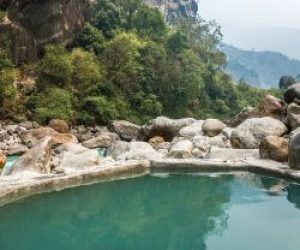
Spa and thermal travel. Trips built around hot springs, thermal baths, or destination spas, often rooted in centuries-old wellness traditions specific to a region.
Fitness and adventure wellness. Active retreats combining hiking, strength training, or outdoor movement with recovery-focused elements like sauna sessions or guided stretching.
Nutrition and detox programs. Structured trips focused on clean eating, cooking classes, or medically supervised detox and reset programs.
Mental health and stress-recovery travel. A growing category focused specifically on burnout recovery, often incorporating therapy-adjacent practices, nature immersion, and structured downtime.
Some trips blend several of these together, but the common thread across all of them is intention. Every part of the itinerary is chosen to support a specific health goal, not just to fill a schedule.
Why Wellness Tourism Has Grown So Quickly
A few forces have pushed wellness tourism from a niche interest into a major segment of the travel industry.
Burnout is more visible than it used to be. More travelers are naming stress, screen fatigue, and overwork as reasons for travel, not just an afterthought once they arrive somewhere.
Preventive health has become part of everyday conversation. Interest in sleep quality, nutrition, and stress management has shifted from a niche wellness audience to a mainstream one, and travel has followed that shift.
People want a return on their time off, not just a break from routine. A growing number of travelers want their vacation to leave them in better shape, physically or mentally, than when they left, rather than simply providing a change of scenery.
Post-pandemic travel priorities changed. Many travelers came out of the past several years with a sharper focus on health, both personal and shared, which reshaped what people look for in a trip.
How to Choose the Right Wellness Trip
Not every wellness trip fits every traveler, and picking the wrong format can leave you disappointed even if the destination itself is beautiful. A few questions worth asking before booking:
What do you actually need right now? A high-stress period calls for something different than general burnout recovery, and both are different from wanting structured fitness improvement. Being honest about the actual goal shapes everything else.
How structured do you want the days to be? Some wellness retreats run on a tight daily schedule, others leave large blocks of unstructured time. Neither is better, but mismatched expectations here are one of the most common sources of disappointment.
Solo or group setting? Group retreats offer built-in community and shared accountability. Solo-paced wellness trips offer more flexibility and privacy, which some travelers find more restorative.
What level of physical intensity fits your current fitness? Yoga and wellness tours vary widely, from gentle restorative practices to physically demanding programs, so matching intensity to your actual starting point matters more than the marketing photos suggest.
What to Look for in a Wellness Retreat or Tour
A well-designed wellness trip should have a few things in place regardless of format:
- Qualified instructors or practitioners, not just a scenic location with a yoga mat available
- A realistic daily schedule that balances activity with genuine rest
- Nutrition that supports the trip’s purpose, rather than standard resort dining
- Accommodations that actually support quiet and recovery, not just aesthetics
- Clear communication about what’s included versus optional add-ons
This is where working with an experienced travel partner makes a real difference, since it’s easy for a retreat to look appealing in photos while falling short on the details that actually shape the experience.
Why Plan Your Wellness Trip with Bellarome Travel Worldwide
Wellness tourism only works when the trip is actually built around the traveler’s needs, not a generic template stretched across every guest. At Bellarome Travel Worldwide, we take time to understand what you’re looking to get out of the trip, whether that’s stress recovery, physical reset, or simply space to breathe, before recommending a destination or format.
Our yoga & wellness tours are built with vetted instructors, realistic daily pacing, and accommodations chosen specifically for their ability to support genuine rest, not just good photos. We also stay current on which wellness destinations and retreat centers are actually delivering results right now, rather than relying on outdated recommendations.
Ready to Plan Your Health-Inspired Vacation?
Wellness tourism isn’t about escaping your life for a week, it’s about coming back to it in better shape than you left. If you’re ready to explore yoga & wellness tours built around your actual goals, reach out to Bellarome Travel Worldwide today. Our team will help you plan a health-inspired trip that fits your pace, your priorities, and your definition of rest.