
Why Does a Garage Door Opener Work Intermittently?
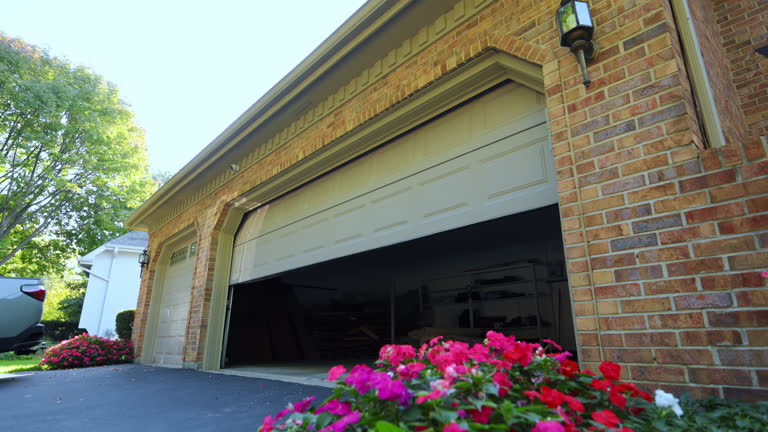
A garage door opener should respond consistently whenever you use your remote, wall switch, or keypad. However, if your garage door opens sometimes but refuses to respond at other times, the problem can become frustrating. An intermittent garage door opener may work perfectly one moment and stop responding the next, making it difficult to determine what is wrong.
Several issues can cause this behavior, including weak remote batteries, electrical problems, misaligned safety sensors, overheating, and worn internal components. Identifying the source of the problem can help you decide whether a simple adjustment is enough or whether professional Garage Door Opener Repair is necessary.
Common Reasons a Garage Door Opener Works Intermittently
1. Weak Remote Control Batteries
One of the simplest explanations for an inconsistent garage door opener is a weak battery in the remote control. When the battery loses power, the remote may transmit a weaker signal, causing the opener to respond inconsistently.
You might notice that the door operates when you stand close to the garage but fails to respond when you are farther away. Sometimes, pressing the remote several times may eventually activate the opener.
Replacing the remote batteries is a practical first step. Make sure the batteries are installed correctly and that the remote buttons are not stuck or damaged. If a new battery does not solve the issue, the remote itself or the opener’s receiver may require inspection.
2. Misaligned or Dirty Safety Sensors
Modern garage doors use safety sensors to detect objects or people in the door’s path. These sensors are usually installed near the bottom of the door tracks. If they become dirty, misaligned, or affected by damaged wiring, the door may refuse to close or reverse unexpectedly.
Dust, cobwebs, moisture, and accidental bumps can interfere with the sensor’s operation. Direct sunlight may also affect certain sensor systems under specific conditions.
Clean the sensor lenses gently with a soft cloth and check whether both sensors appear properly aligned. Many systems have indicator lights that help identify alignment problems. If the lights continue to flicker or the sensors appear damaged, professional service may be needed.
Never disable the safety sensors to make the door operate. They are an important part of protecting people, pets, and property.
3. Electrical Connections and Power Supply Problems
An opener that works intermittently may have an unstable power supply. A loose plug, faulty outlet, damaged wiring, or an electrical connection that has deteriorated over time can interrupt normal operation.
You may notice that the opener’s lights turn off unexpectedly, the motor stops responding, or the unit works again after a short period. In some cases, the problem may originate from the home’s electrical circuit rather than the opener itself.
Check that the opener’s power cord is securely connected and look for obvious signs of damage around accessible areas. Avoid opening electrical housings or handling exposed wires. If the power supply seems inconsistent, contact a qualified technician to inspect the wiring and electrical components safely.
4. Overheating After Repeated Use
Garage door openers contain motors that generate heat during operation. When the system is used repeatedly within a short period, the motor may become too hot and activate an internal thermal protection mechanism.
This can explain why an opener works several times and then stops responding temporarily. After cooling down, it may begin working again.
However, overheating can also result from a worn motor, inadequate ventilation, excessive friction, an unbalanced door, or a mechanical problem that forces the opener to work harder than necessary.
For more information about warning signs and prevention, read How to Detect and Prevent Garage Door Opener Overheating.
If your opener repeatedly becomes hot or stops working during normal use, avoid repeatedly activating it. A professional inspection can help determine whether the cause is excessive workload, a motor issue, or another underlying fault.
5. Worn Gears, Motor Components, or Internal Parts
Garage door openers contain several moving and electrical components that experience wear over time. Depending on the model, these may include drive gears, belts, chains, capacitors, circuit boards, and motor components.
When a component begins to fail, the opener may operate inconsistently. You might hear a humming sound without movement, notice unusual noises, or find that the door stops before reaching the floor.
The symptoms can resemble other problems, so it is important not to assume that the motor needs replacement immediately. A technician can inspect the opener, identify the defective part, and determine whether repairing the component or replacing the unit is the more practical option.
6. Interference With the Remote Signal
Garage door remotes communicate with the opener using radio signals. Interference from nearby electronic devices, certain LED light bulbs, wireless equipment, or other transmitters can sometimes reduce the remote’s effective range.
If the wall-mounted control works consistently while the remote does not, the issue may involve the remote, its signal, or the receiver rather than the door’s mechanical system.
Try operating the remote from different positions and compare its performance with the wall control. If the problem occurs only with the remote, a technician can investigate possible interference or receiver faults.
7. A Door That Is Unbalanced or Difficult to Move
Sometimes the opener is not the main problem. A garage door with worn rollers, obstructed tracks, damaged springs, or poor balance may place excessive strain on the opener.
This additional resistance can cause the door to stop, reverse, or struggle during movement. The opener’s force or travel settings may also be incorrect, but adjusting these settings without identifying the underlying cause can create safety risks.
If the door moves unevenly, feels unusually heavy, or makes grinding noises, arrange a professional inspection. Never attempt to adjust or replace garage door torsion springs yourself because they are under significant tension.
How to Troubleshoot an Intermittent Garage Door Opener
Before scheduling service, you can perform a few basic checks without dismantling the opener.
Start by replacing the remote batteries and testing the wall-mounted control. If the wall control works but the remote does not, focus on the remote or signal issues.
Next, inspect the safety sensors for visible dirt, obstruction, or misalignment. Check whether the opener has power and look for obvious damage to accessible cords or connections.
Pay attention to when the problem occurs. Does the opener stop after several consecutive cycles? Does it fail only when using the remote? Does the door reverse while closing? These details can help a technician narrow down the cause.
If the opener becomes unusually hot, emits a burning smell, trips a breaker, or makes unfamiliar mechanical noises, stop using it and seek professional assistance. Avoid repeatedly resetting the unit or forcing the door to operate.
When Should You Call a Professional?
Occasional problems caused by weak batteries or dirty sensors may be easy to resolve. Persistent or recurring issues, however, often require a closer look at the opener’s electrical, mechanical, or safety systems.
Professional garage door service is recommended when the motor repeatedly stops, the door reverses for no obvious reason, the opener makes unusual noises, or basic troubleshooting does not resolve the problem.
A trained technician can examine the opener, test its operating components, check door balance, inspect the safety sensors, and verify the system’s travel and force settings. This helps address the actual cause rather than relying on temporary fixes.
Homeowners in Royal Palm Beach, FL can also seek local assistance when an inconsistent opener affects their daily routine. Prompt attention may prevent a minor issue from developing into a more disruptive repair.
How to Prevent Future Garage Door Opener Problems
Regular maintenance can reduce the likelihood of intermittent operation and help extend the life of your garage door system.
Keep the sensor lenses clean, replace remote batteries when needed, and pay attention to changes in the door’s movement. Listen for unusual sounds and watch for delayed responses or unexpected reversals.
Arrange periodic professional maintenance to check the door’s balance, rollers, tracks, cables, springs, and opener components. Lubricate only the parts recommended by the manufacturer, using the appropriate product. Avoid applying grease indiscriminately to tracks or electrical components.
It is also helpful to follow the opener manufacturer’s instructions regarding operating frequency, maintenance intervals, and troubleshooting. If the system is repeatedly overheating or struggling to move the door, have the cause investigated rather than continuing to use it under strain.
Conclusion
An intermittently working garage door opener can result from several problems, ranging from weak remote batteries and dirty safety sensors to electrical faults, overheating, and worn mechanical components. Observing when the problem occurs can help you identify possible causes, but recurring failures should not be ignored.
Start with simple, safe checks and avoid tampering with electrical parts, springs, or other high-tension components. If the opener continues to stop unexpectedly, professional diagnosis can help restore consistent operation and protect your garage door system.
For homeowners who need assistance with garage door opener issues in South Florida, Ariel Garage Door Services can help assess the problem and identify an appropriate repair solution. Addressing the cause early can help keep your garage door operating safely and conveniently.